 PetCalcStudio

Affenpinscher
7–10 lb · 12–15 years
breeds
A larger companion for a household that can make time for activity, training and coat care. A friendly breed reputation cannot establish how one dog will behave with children or other pets.
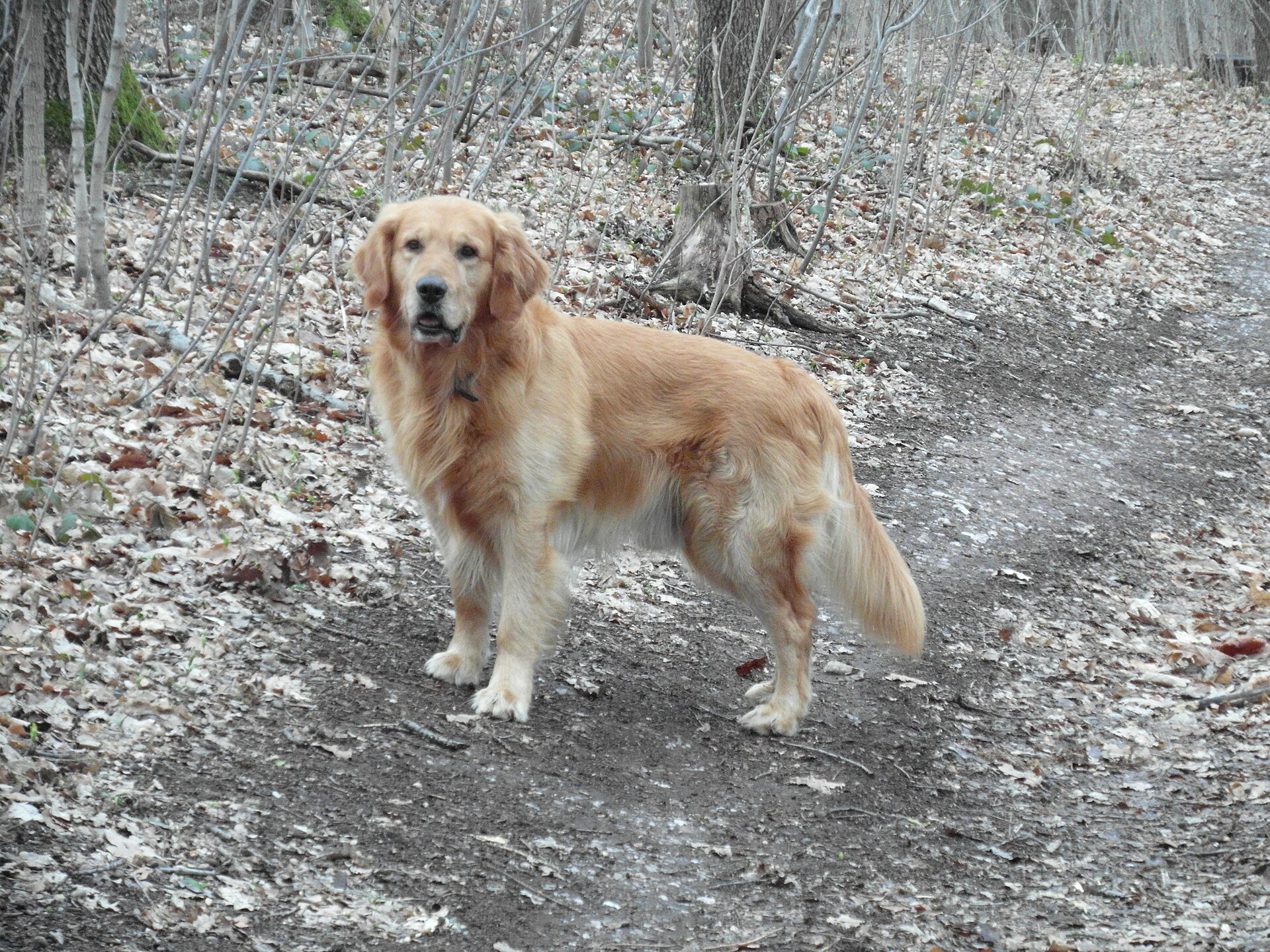
Measurements and ratings are breed references, not targets or guarantees for an individual dog. Weight ranges do not establish ideal body condition, and lifespan ranges are not an individual prediction.
Behavior varies within breeds. Meet the dog and ask about its history; a family-friendliness score cannot establish that an interaction is safe. See the Broad Institute’s explanation of breed and behavior research.
Life-expectancy studies describe particular populations and methods. Their estimates can differ from breed-reference ranges. See the UK VetCompass life-table study. Use the individual dog’s history and veterinary advice when making care decisions.
Before you decide
A larger companion for a household that can make time for activity, training and coat care. A friendly breed reputation cannot establish how one dog will behave with children or other pets.
PDSA describes Golden Retrievers as active dogs that can fit well into family life with appropriate socialisation and care. Children still need guidance and supervision around them. A breed label cannot tell you whether an individual dog enjoys noise, handling or sharing a busy home. Read the PDSA breed guide alongside the dog’s own history.
Include exercise, reward-based training, coat care and quiet time in the household schedule. PDSA notes their substantial exercise needs and shedding coat. Ask the veterinary team how to adapt activities to age, condition and health instead of treating a breed-wide daily figure as a compulsory target.
Before adoption, try writing an ordinary weekday plan: who is available before work, what happens during the day, and who covers the evening? Add the grooming equipment, time and costs you intend to provide. A plan that needs every day to go perfectly deserves another look.
Hip dysplasia, elbow dysplasia and inherited eye conditions are among the issues highlighted by PDSA. Ask which parent tests are relevant and request the reports, rather than relying on a general description such as “health checked.” For an adult dog, bring any previous records and questions about comfort, mobility and changes at home.
Use our dog-cost framework to organise quotes. The worksheet is an original planning aid, not a promise that a breed is right for your home.
The reference adult weight for a Golden Retriever is 65–75 lb (male), 55–65 lb (female). A breed range is not an individual target weight; body condition and veterinary assessment matter.
The listed lifespan for a Golden Retriever is 10–12 years. A breed reference range does not predict the lifespan of an individual dog.
The listed height for a Golden Retriever is 23–24 in (male), 21.5–22.5 in (female).
The AKC good-with-children score for a Golden Retriever is 5 out of 5. This describes a reference rating, not a guarantee of individual behavior or safe interactions.
The growth size band for a Golden Retriever is up to 24 months. A size-band estimate cannot confirm when an individual dog has finished growing.
The care sections were checked on 2026-11-21. This is an editorial source check, not an independent veterinary review. The reference measurements above remain the captured breed figures, rather than newly measured clinical data.
Activity, family supervision, grooming, joint and eye screening considerations.
7–10 lb · 12–15 years
50–60 lb · 12–18 years
50–70 lb · 11–14 years
Checked against the sources below by the editorial team. This is not an independent veterinary review.
Original care guidance; captured measurements have not been independently revalidated.

