 PetCalcStudio

Affenpinscher
7–10 lb · 12–15 years
breeds
An active retriever whose everyday care needs more context than a size or trainability score. Plan for activity, rewarding training and a consistent feeding routine.
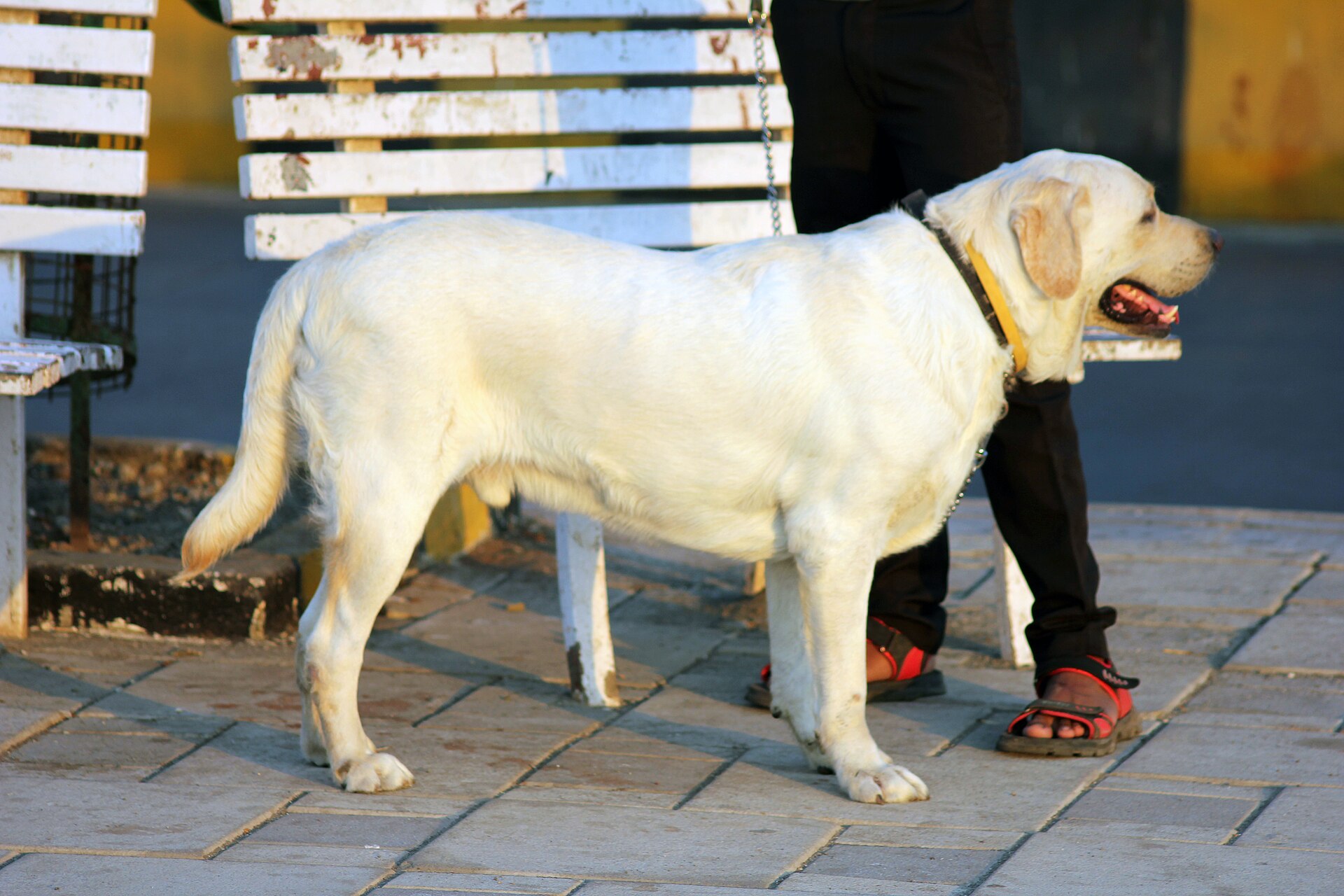
Measurements and ratings are breed references, not targets or guarantees for an individual dog. Weight ranges do not establish ideal body condition, and lifespan ranges are not an individual prediction.
Behavior varies within breeds. Meet the dog and ask about its history; a family-friendliness score cannot establish that an interaction is safe. See the Broad Institute’s explanation of breed and behavior research.
Life-expectancy studies describe particular populations and methods. Their estimates can differ from breed-reference ranges. See the UK VetCompass life-table study. Use the individual dog’s history and veterinary advice when making care decisions.
Before you decide
An active retriever whose everyday care needs more context than a size or trainability score. Plan for activity, rewarding training and a consistent feeding routine.
Labradors were developed as retrieving dogs. PDSA describes a breed that benefits from substantial physical activity and mental enrichment, with working lines sometimes having a particularly strong desire to work. A high trainability rating should prompt a training plan, rather than an assumption that manners arrive automatically. PDSA’s Labrador care guidance recommends reward-based training.
Make a household plan with three columns: activity, training and rest. Write down who is responsible on an ordinary weekday and what changes when that person is unavailable. Examples to discuss include sniffing walks, retrieving games and short training sessions. These are options to adapt, not a prescribed daily duration. Ask the vet to tailor activity for a dog with joint disease or other health needs.
Decide where meals and training food will be recorded. Our food-measuring guide helps translate an existing plan into repeatable amounts; it does not select a ration for a particular Labrador.
PDSA highlights hip and elbow dysplasia, obesity and progressive retinal atrophy among concerns to discuss. Ask for the actual parent screening reports when considering a puppy, or the available medical history when adopting an adult. A screening result reduces uncertainty about a particular issue; it is not a lifetime guarantee.
This sheet is an original planning aid. It is not a validated suitability score, and it should not replace meeting the individual dog.
The reference adult weight for a Labrador Retriever is 65–80 lb (male), 55–70 lb (female). A breed range is not an individual target weight; body condition and veterinary assessment matter.
The listed lifespan for a Labrador Retriever is 11–13 years. A breed reference range does not predict the lifespan of an individual dog.
The listed height for a Labrador Retriever is 22.5–24.5 in (male), 21.5–23.5 in (female).
The AKC good-with-children score for a Labrador Retriever is 5 out of 5. This describes a reference rating, not a guarantee of individual behavior or safe interactions.
The growth size band for a Labrador Retriever is up to 24 months. A size-band estimate cannot confirm when an individual dog has finished growing.
The care sections were checked on 2026-11-21. This is an editorial source check, not an independent veterinary review. The reference measurements above remain the captured breed figures, rather than newly measured clinical data.
Activity, enrichment, reward-based training, joint and eye concerns and screening discussions.
Checked against the sources below by the editorial team. This is not an independent veterinary review.
Original care guidance; captured measurements have not been independently revalidated.
7–10 lb · 12–15 years
50–60 lb · 12–18 years
50–70 lb · 11–14 years

