 PetCalcStudio

Senior Pet Vet Visit Checklist for Dogs and Cats
Prepare for a senior pet checkup with a simple record of mobility, appetite, weight, medications and questions for your veterinary team.
3 min readCare guide
Learn how a simple cancer gene test can protect your Dark Red Golden Retriever from potential health risks. Early detection of genetic markers can save your dog's life.
Educational information. Our editorial policy
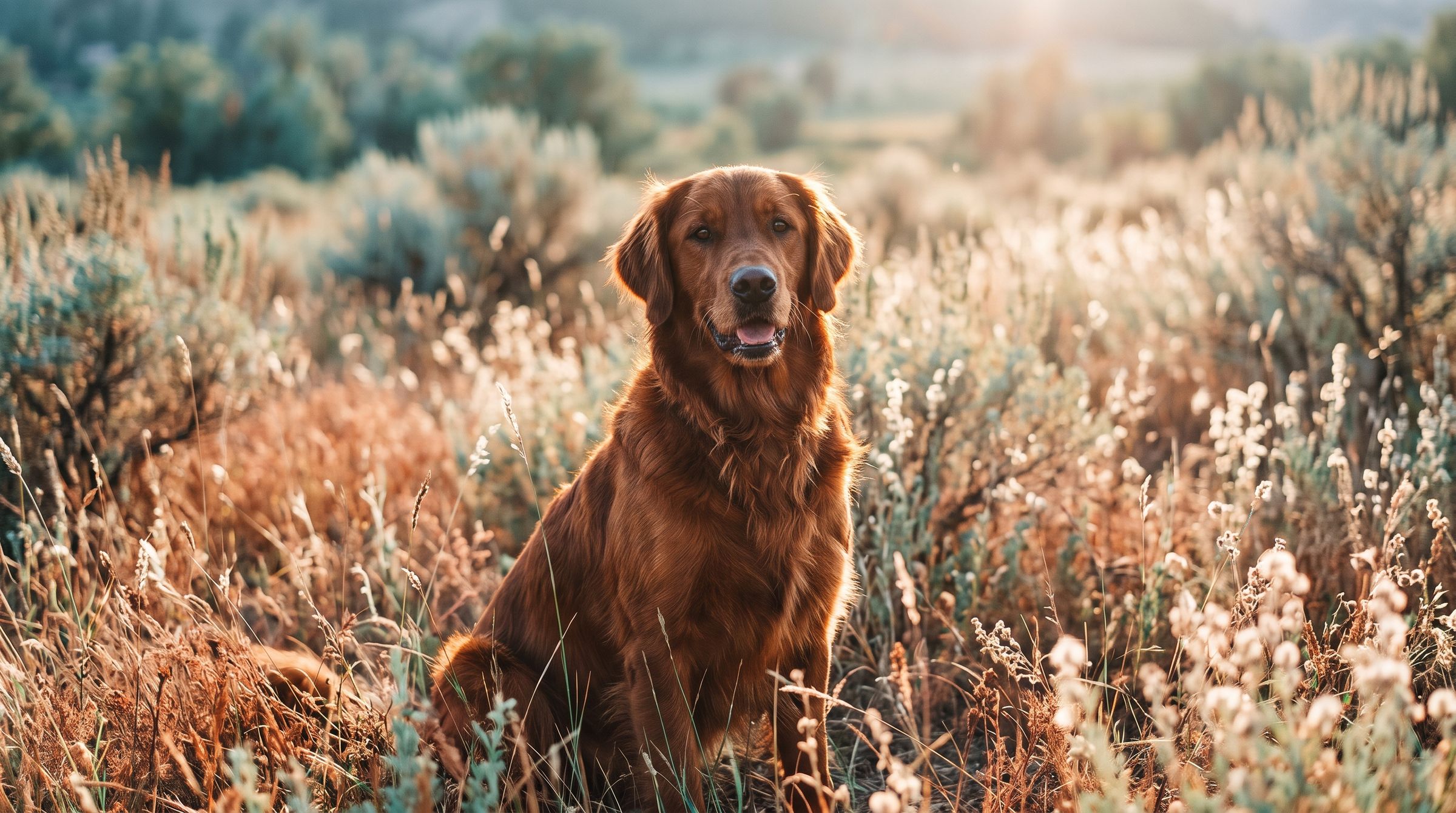
Golden Retrievers have one of the highest cancer rates of any dog breed. That's why owners of dark red Goldens often ask about a "cancer gene test". The honest answer is that no DNA test can currently tell you whether a Golden Retriever will get cancer. There are useful tests, though, and knowing which is which saves money and worry.
There's no good evidence that it does. "Dark red" describes a shade of the same breed. It comes from coat-colour genes, not a separate genetic line. A dark red Golden has the same breed-level cancer risk as a light cream or classic gold Golden, so everything below applies to every Golden Retriever.
| Test | What it looks for | What it can't do |
|---|---|---|
| Breed DNA health panel (cheek swab) | Inherited conditions with known genes, for example progressive retinal atrophy (GR-PRA1, GR-PRA2, prcd-PRA), ichthyosis and degenerative myelopathy | Predict common cancers. No validated gene test exists for hemangiosarcoma, lymphoma or osteosarcoma in Goldens |
| Blood-based cancer screening, or "liquid biopsy" (for example OncoK9, Nu.Q Vet) | Signals in the blood of a cancer that may already be present | Tell you about inherited risk; it can also miss cancers or give false alarms, so positive results need follow-up tests |
| Routine senior bloodwork, physical exam and imaging | Early changes such as anaemia, enlarged lymph nodes, or masses on the spleen | Prevent cancer, but they help catch it earlier |
| OFA health screenings for breeding (hips, elbows, eyes, heart) | The health clearances the breed club recommends before breeding | Screen for cancer |
What this means: if you see a test sold as a "Golden Retriever cancer gene test", ask exactly which genes it checks and what studies support it. Many vets suggest discussing blood-based cancer screening once a Golden reaches middle age (often around 7 years or older), as an extra layer alongside, not instead of, regular check-ups.
This guide is educational and was written by a non-veterinarian. Talk to your own vet about testing and screening for your dog.
General guidance on this topic from veterinary organizations. This guide is educational and written by a non-veterinarian; check with your own vet before changing your pet's food, medication or care. Editorial policy
Not one that predicts the common cancers. DNA health panels check for inherited conditions with known genes, such as some forms of progressive retinal atrophy, but no validated gene test currently predicts hemangiosarcoma, lymphoma or osteosarcoma in Goldens.
There's no good evidence that they do. Coat shade comes from colour genes, and all Golden Retrievers share the breed's elevated cancer risk.
In the Golden Retriever Club of America's health survey, cancer was reported as the cause of death for about 6 in 10 Goldens. That's among the highest rates of any breed.
A blood test (for example OncoK9 or Nu.Q Vet) that looks for signs of a cancer that may already be present. It doesn't measure inherited risk, can miss cancers or give false alarms, and positive results need follow-up tests from your vet.
Many vets suggest twice-yearly exams and discussing screening options from middle age, often around 7 years. Ask your vet what fits your dog's history.
Prepare for a senior pet checkup with a simple record of mobility, appetite, weight, medications and questions for your veterinary team.
3 min readThe 7-year rule was never based on biology. Learn the DNA methylation formula vets now use to convert your dog or cat's age into accurate human-year equivalents — adjusted for breed size and life stage.
7 min readPoinsettias are usually only mildly irritating to pets, but other holiday plants are far worse. Here is which plants to keep, which to move, and what to do if your pet chews one.

