 PetCalcStudio

Senior Pet Vet Visit Checklist for Dogs and Cats
Prepare for a senior pet checkup with a simple record of mobility, appetite, weight, medications and questions for your veterinary team.
3 min readCare guide
Kitten diarrhea is common, with causes from diet changes and stress to worms, protozoa and viral infections. Kittens dehydrate quickly, so call your vet the same day if diarrhea lasts more than 24 hours or comes with lethargy, vomiting, blood or poor appetite.
Educational information. Our editorial policy
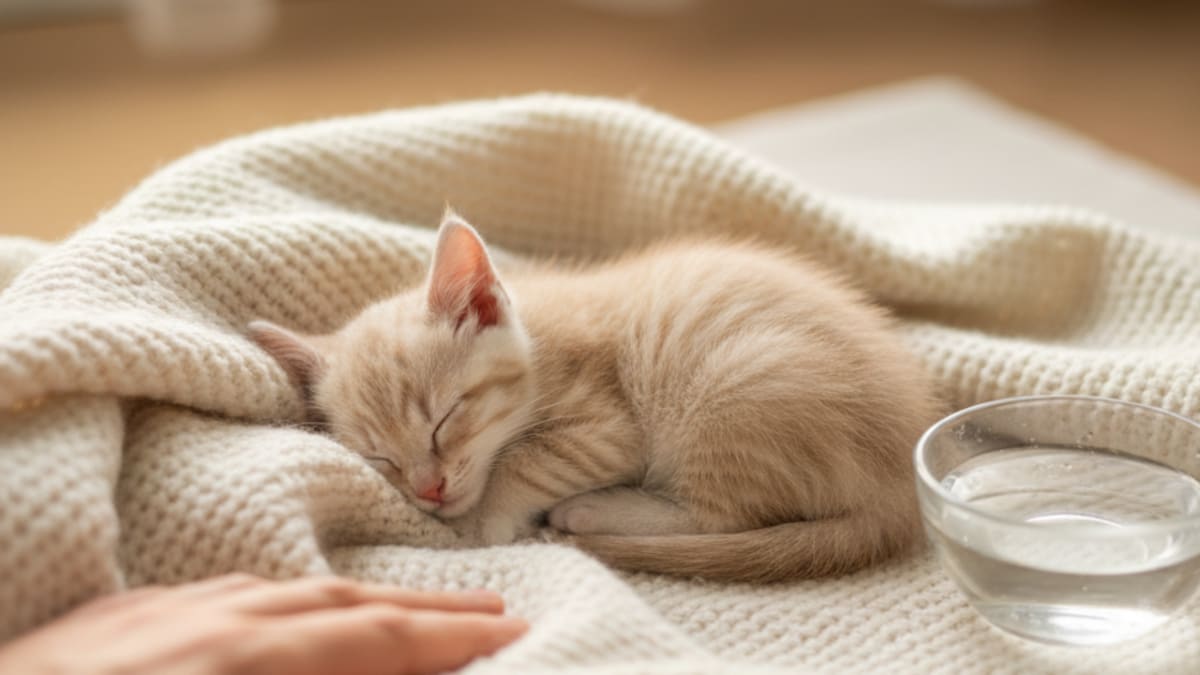
Kitten diarrhea is common, with causes ranging from diet changes and stress to worms, protozoa and viral infections. Kittens dehydrate quickly, so call your vet the same day if diarrhea lasts more than 24 hours or comes with lethargy, vomiting, blood or poor appetite.
A single soft stool after a new food isn't alarming. But kittens have little fluid reserve and immature immune systems, so diarrhea that keeps going is a medical issue, not just a litter box problem. This guide covers common causes, the red flags that need a vet today, how panleukopenia fits in, safe home care for a mild case, how to read the stool, what the vet may do and how to prevent it. Plan for a visit using the vet cost estimator.
Feline panleukopenia (feline distemper) is a highly contagious viral disease that's severe and often fatal in unvaccinated kittens. Signs include fever, vomiting, severe diarrhea, lethargy and loss of appetite. The virus survives in the environment for a long time. Vaccination is the best protection, and early treatment makes a difference. Call your vet right away if you suspect it, and call ahead so the clinic can isolate your kitten.
| What you see | What it might suggest |
|---|---|
| Soft, pudding-like | Diet change or mild upset |
| Watery | Infection, parasites, stress or panleukopenia |
| Mucus-coated | Colitis, parasites or diet |
| Bright red blood | Lower bowel irritation; call your vet |
| Black, tarry | Bleeding higher in the gut; urgent |
| Worms visible | Parasites; needs deworming |
Take a photo, and bring a fresh sample in a clean bag to the vet.
Only for a kitten that's playful, eating and drinking, with mild loose stools. Call your vet first if unsure.
Pebble weighs 1 kg. A common estimate of maintenance fluid need is around 50-60 mL per kg per day, so about 50-60 mL. Loss from several watery stools, plus vomiting or refusing water, can quickly outpace that, so a small kitten can be seriously dehydrated within a day. That's why same-day veterinary care is sensible for a kitten with ongoing diarrhea.
The cost depends on the cause and severity.
Call the same day for any red flag above. A weak kitten with vomiting and diarrhea is an emergency.
General guidance on this topic from veterinary organizations. This guide is educational and written by a non-veterinarian; check with your own vet before changing your pet's food, medication or care. Editorial policy
Call the same day if it lasts more than 24 hours or comes with lethargy, vomiting, blood or poor appetite. Very young kittens need care sooner.
Ask your vet first. Some vets suggest bland foods for mild cases, but kittens with ongoing diarrhea need an exam.
Some causes, like parasites and viruses, can spread to other cats, and some can infect people, so wash hands and isolate if advised.
Sudden changes upset the gut. Switch gradually over 7-10 days and call your vet if it persists.
Prepare for a senior pet checkup with a simple record of mobility, appetite, weight, medications and questions for your veterinary team.
3 min readThe 7-year rule was never based on biology. Learn the DNA methylation formula vets now use to convert your dog or cat's age into accurate human-year equivalents — adjusted for breed size and life stage.
7 min readPoinsettias are usually only mildly irritating to pets, but other holiday plants are far worse. Here is which plants to keep, which to move, and what to do if your pet chews one.
6 min read
