 PetCalcStudio

Senior Pet Vet Visit Checklist for Dogs and Cats
Prepare for a senior pet checkup with a simple record of mobility, appetite, weight, medications and questions for your veterinary team.
3 min readCare guide
Goopy, squinty or swollen kitten eyes are common but should never be ignored. Learn the signs of a kitten eye infection, the usual causes such as feline herpesvirus, what is safe to do at home, why home remedies can backfire and the signs that mean a vet visit today.
Educational information. Our editorial policy
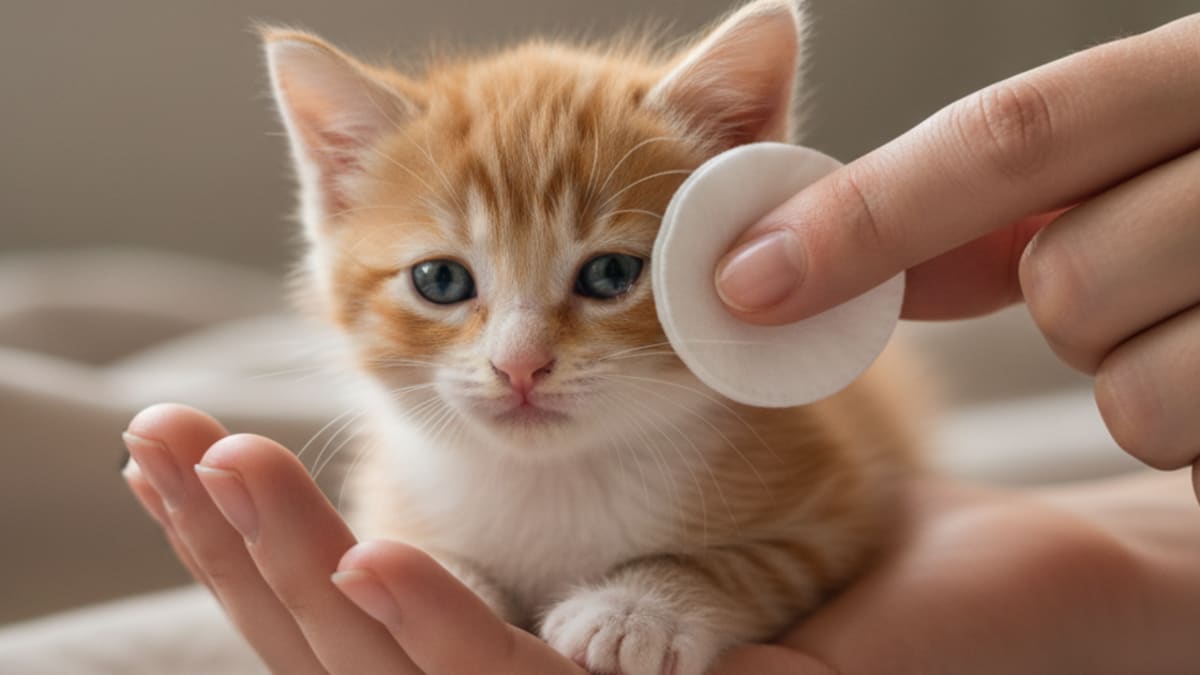
A kitten eye infection usually shows up as watery or goopy discharge, squinting, redness, swelling or eyes stuck shut. Most cases come from upper respiratory infections such as feline herpesvirus, and young kittens can lose vision if untreated, so see a vet promptly rather than relying on home remedies.
Kittens are especially prone to eye problems. Their immune systems are still developing, they are often raised in busy shelters or litters where viruses spread easily, and a small infection can turn into an ulcer or permanent damage in days. This guide explains the signs of a kitten eye infection, the common causes, what you can safely do at home while arranging care, why popular home remedies can make things worse, how vets diagnose and treat the problem, and how to prevent recurrences. To plan for the cost of a visit, use the vet cost estimator.
| Cause | What it looks like | Notes |
|---|---|---|
| Feline herpesvirus (FHV-1) | Watery then goopy eyes, sneezing, sometimes ulcers | Very common in kittens, can recur with stress |
| Feline calicivirus | Eye and nose discharge, mouth ulcers | Often part of a respiratory complex |
| Chlamydia felis or Mycoplasma | Conjunctivitis, often starting in one eye | Bacterial causes need prescription antibiotics |
| Bacterial infection | Thick yellow-green discharge | Often secondary to a virus |
| Foreign material or scratches | One eye affected, squinting | Scratches from play or litter dust |
| Eyelid abnormalities | Chronic tearing from birth | A vet can check for rolled eyelids |
| Blocked tear ducts | Constant watery eye | Common in flat-faced breeds |
| Fleas or parasites on severely ill kittens | General illness with eye signs | Needs full veterinary care |
Many kittens carry herpesvirus from birth or catch it from the mother or littermates, and the virus can flare when they are stressed by weaning, rehoming or vaccination. Shelter and foster environments increase exposure. Severe infections can seal the eyelids shut, damage the cornea and in rare cases lead to blindness, so early treatment matters.
A 9 week old kitten wakes with one eye half closed and yellow crust.
Many mild infections improve within a week of proper treatment, but herpesvirus can come and go through life.
Costs vary widely depending on diagnostics and medications. The vet cost estimator can help you budget, and early treatment is nearly always cheaper than treating an ulcer or a complication.
Kittens are born with eyes closed and normally open them around 7-14 days. If a kitten's eyes open early but bulge, swell or ooze pus, or if the eyes fail to open or the lids look swollen, contact a vet immediately. Do not pry the eyelids apart.
Eye infections are common enough that it is worth setting aside an emergency fund for a new kitten. Typical visit costs depend on location, and a corneal ulcer or a stay for a respiratory infection can cost much more than a simple exam. Plan with the vet cost estimator, and consider pet insurance while your kitten is young and healthy.
Call the same day for any squinting, thick discharge, swelling, cloudiness or accompanying cold signs. Go to an emergency clinic for a bulging eye, severe swelling, a kitten that will not eat or breathes with its mouth open, or sudden blindness signs such as bumping into furniture.
A kitten eye infection is common but should not be left to heal alone. Clean the eye gently with warm water, isolate the kitten, skip human drops and home remedies, and see a vet promptly for diagnosis and prescription treatment. Budget for care with the vet cost estimator.
General guidance on this topic from veterinary organizations. This guide is educational and written by a non-veterinarian; check with your own vet before changing your pet's food, medication or care. Editorial policy
Most often upper respiratory viruses such as feline herpesvirus and calicivirus, sometimes with bacteria like Chlamydia or Mycoplasma. Scratches, debris and eyelid problems can also cause it.
You can gently wipe discharge with warm water, but the infection itself usually needs veterinary diagnosis and prescription medication.
No. A little clear tearing or morning crust can be normal, but colored discharge, squinting, redness or swelling needs a vet.
Often yes, especially viral causes. Isolate the kitten and wash your hands between cats.
Severe or untreated infections can damage the cornea and vision, which is why prompt care matters.
No. Some ingredients are harmful and the wrong drops can make ulcers worse. Use only what your vet prescribes.
Prepare for a senior pet checkup with a simple record of mobility, appetite, weight, medications and questions for your veterinary team.
3 min readThe 7-year rule was never based on biology. Learn the DNA methylation formula vets now use to convert your dog or cat's age into accurate human-year equivalents — adjusted for breed size and life stage.
7 min readPoinsettias are usually only mildly irritating to pets, but other holiday plants are far worse. Here is which plants to keep, which to move, and what to do if your pet chews one.
6 min read
