 PetCalcStudio

Senior Pet Vet Visit Checklist for Dogs and Cats
Prepare for a senior pet checkup with a simple record of mobility, appetite, weight, medications and questions for your veterinary team.
3 min readCare guide
A sneeze or two is normal, but frequent sneezing in a kitten often points to an upper respiratory infection. Learn the causes, how to tell mild from serious, what you can do at home, what treatment looks like and the red flags that mean see a vet now.
Educational information. Our editorial policy
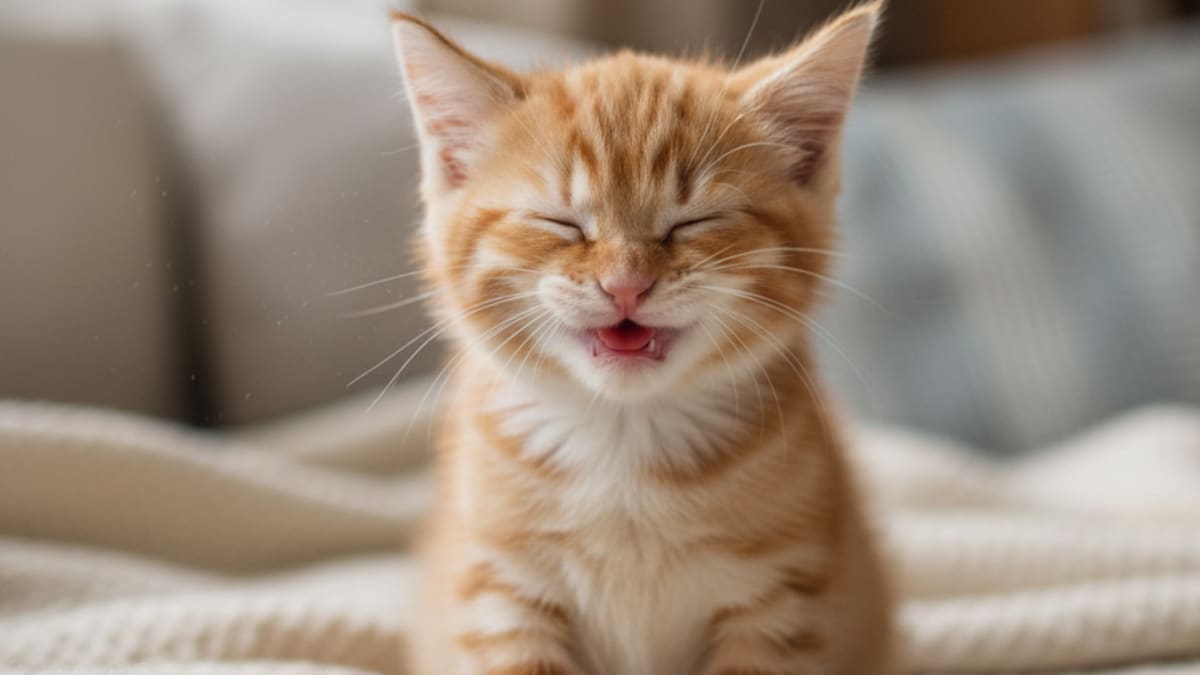
An occasional sneeze in a bright, eating, playful kitten is usually normal, but frequent sneezing, especially with eye or nose discharge, is often an upper respiratory infection caused by viruses such as feline herpesvirus or calicivirus. See a vet the same day if your kitten has trouble breathing, stops eating, has green discharge or is very young or lethargic, because kittens can worsen quickly.
Sneezing is one of the most common reasons new kitten owners call the vet. In many cases the cause is mild, such as dust or a tickle in the nose. In others it is the first sign of a contagious respiratory infection that spreads easily in shelters, litters and multi-cat homes. This guide explains why kittens sneeze, how to tell a harmless sneeze from a problem, the common causes, what to do at home, how vets diagnose and treat it, how to prevent spread and when to seek urgent care. To budget for care, use the vet cost estimator.
Occasional sneezing is normal, just as in people. Kittens may sneeze after:
A single sneeze here and there, with no other symptoms, is usually nothing to worry about. Repeated sneezing, sneezing fits or any other signs deserve attention.
| Cause | Typical signs | Notes |
|---|---|---|
| Feline herpesvirus (FHV-1) | Sneezing, watery or goopy eyes, nasal discharge | Very common in kittens, can flare with stress |
| Feline calicivirus | Sneezing, nasal discharge, mouth ulcers | Part of the upper respiratory complex |
| Bacterial infections (Bordetella, Chlamydia, Mycoplasma) | Thick discharge, congestion | Often secondary to viruses |
| Irritants and allergens | Sneezing without fever, clear discharge | Dust, smoke, scented litter, sprays |
| Foreign material in the nose | Sudden violent sneezing, pawing at the nose | Grass, litter or plant material |
| Dental or sinus problems | Chronic sneezing, nasal discharge | Less common in kittens |
| Fungal infections | Chronic nasal discharge | Uncommon |
| Congenital issues | Chronic sneezing since birth | Cleft palate or airway abnormalities |
| Post-vaccination reaction | Mild sneezing after intranasal vaccine | Usually brief |
Upper respiratory infections, often called "cat colds" or "cat flu," are by far the most common cause in kittens.
If your kitten is still alert, eating, drinking and breathing normally, you can help while contacting your vet.
Do not give human cold or flu medications, which can be toxic to cats, including acetaminophen, decongestants and many others.
Two 10 week old kittens both sneeze.
Book a vet visit if your kitten:
Most mild cases improve within 7-14 days with supportive care, but herpesvirus can become a lifelong, on-and-off condition that flares during stress.
Often yes, especially viral infections. Cats spread viruses through sneezes, saliva, shared bowls and contaminated hands and surfaces.
Cat respiratory viruses do not usually infect people or dogs, although some bacterial causes such as Bordetella can occasionally affect other species.
If your kitten sneezes mostly after litter use or when exposed to certain scents, switch to unscented, low-dust litter and avoid sprays, candles and strong cleaners. If sneezing persists, see your vet to rule out infection.
Call the same day for any kitten with colored discharge, poor appetite, lethargy, breathing changes or sneezing that lasts more than a couple of days. Kittens under 8 weeks should be seen sooner, since they can deteriorate fast. For general guidance, your vet clinic can often triage by phone.
A stray sneeze is normal, but frequent sneezing with discharge, poor appetite or any breathing trouble is a reason to see the vet, since respiratory infections are common in kittens and can worsen quickly. Keep your kitten warm and hydrated, isolate it from other cats and avoid human medications. Plan for care costs with the vet cost estimator.
General guidance on this topic from veterinary organizations. This guide is educational and written by a non-veterinarian; check with your own vet before changing your pet's food, medication or care. Editorial policy
Most often an upper respiratory infection such as feline herpesvirus or calicivirus, or irritation from dust, scented litter or sprays.
An occasional sneeze is normal. Frequent sneezing, discharge or low appetite should be checked by a vet.
Many mild cases improve in about 7-14 days with care, though herpesvirus can flare again later.
No. Many human medications are toxic to cats. Use only what your vet prescribes.
Often yes, especially viral infections. Isolate the kitten and wash your hands between cats.
With trouble breathing, open-mouth breathing, blue gums, refusal to eat or extreme lethargy.
Prepare for a senior pet checkup with a simple record of mobility, appetite, weight, medications and questions for your veterinary team.
3 min readThe 7-year rule was never based on biology. Learn the DNA methylation formula vets now use to convert your dog or cat's age into accurate human-year equivalents — adjusted for breed size and life stage.
7 min readPoinsettias are usually only mildly irritating to pets, but other holiday plants are far worse. Here is which plants to keep, which to move, and what to do if your pet chews one.
6 min read
