 PetCalcStudio

Senior Pet Vet Visit Checklist for Dogs and Cats
Prepare for a senior pet checkup with a simple record of mobility, appetite, weight, medications and questions for your veterinary team.
3 min readCare guide
Puppy diarrhea has many causes, from a food change or worms to parvovirus. Puppies dehydrate quickly, so call your vet the same day for any puppy that is lethargic, vomiting, bloody, unvaccinated, very young or has diarrhea lasting more than 24 hours.
Educational information. Our editorial policy
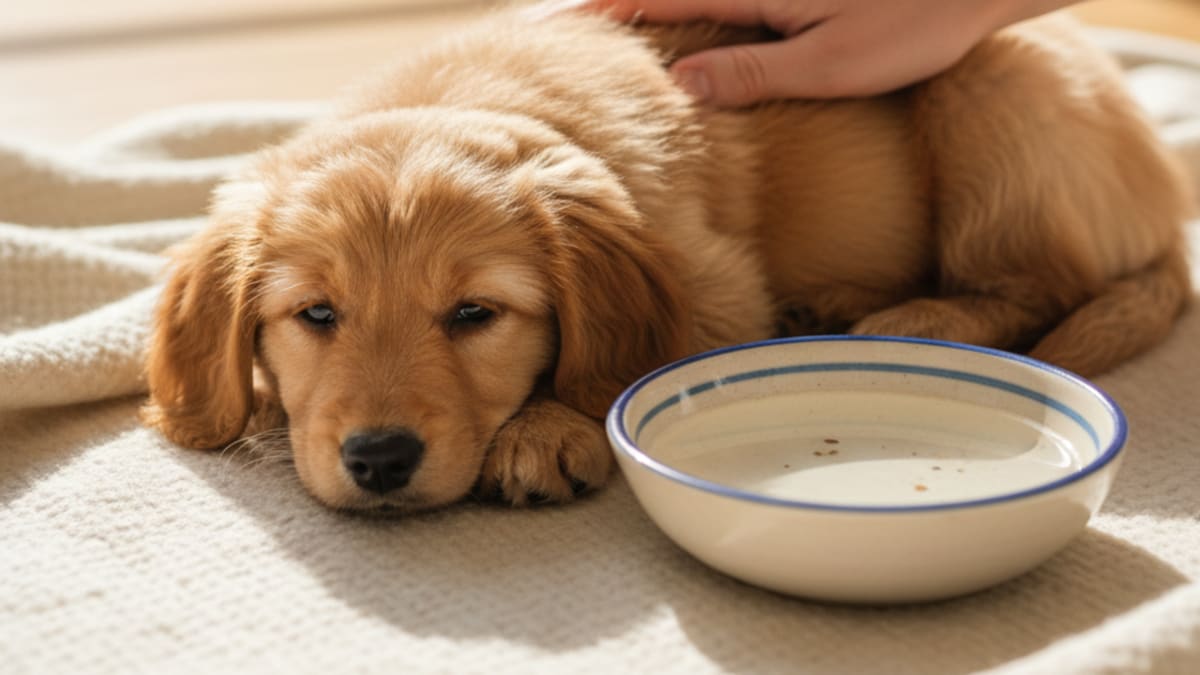
Puppy diarrhea has many causes, from a sudden food change or worms to parvovirus. Puppies dehydrate quickly, so call your vet the same day if your puppy is lethargic, vomiting, has bloody stool, isn't fully vaccinated, is very young or has diarrhea that lasts more than 24 hours.
A single loose stool after an exciting day isn't unusual, but puppies aren't small adult dogs: they have little fluid reserve and immature immune defenses, so diarrhea that keeps going can turn serious quickly. This guide covers common causes, why parvovirus is an emergency, the red flags that need a vet today, safe home care for a mild case, how to read the stool, what the vet may do and how to prevent it. Plan for a visit using the vet cost estimator.
Parvo is most dangerous in unvaccinated or partly vaccinated puppies, usually between 6 weeks and 6 months old. Signs include:
Puppies can die within a couple of days without treatment, but many survive with prompt supportive care. If you suspect parvo, call a vet right away and call ahead so the clinic can isolate your puppy from other patients. The virus survives in the environment for months, so disinfection and avoiding contact with other dogs matter.
| What you see | What it might suggest |
|---|---|
| Soft, mustard-colored | Diet change or mild upset |
| Watery | Infection, parasites, stress or parvovirus |
| Mucus-coated | Colitis, parasites or diet |
| Bright red blood | Lower bowel irritation; call your vet |
| Black, tarry | Bleeding higher in the gut; urgent |
| Worms visible | Parasites; needs deworming |
Take a photo, and bring a fresh sample in a clean bag to the vet.
Only consider home care if your puppy is playful, eating and drinking and the diarrhea is mild. Ask your vet first if you're unsure.
Pip is a 2 kg (4.4 lb) puppy. A common veterinary estimate of maintenance fluid need is about 50-60 mL per kg per day, so roughly 100-120 mL. If Pip has several watery stools and won't drink, she can lose a significant share of her fluid reserve within a day, which is why small puppies need same-day care.
Treatment and cost depend on the cause and severity.
Call the same day for any red flag above. If your puppy is lethargic, vomiting and has bloody diarrhea, treat it as an emergency.
General guidance on this topic from veterinary organizations. This guide is educational and written by a non-veterinarian; check with your own vet before changing your pet's food, medication or care. Editorial policy
Call your vet the same day if it's bloody, your puppy is lethargic or vomiting, or it lasts more than 24 hours. Very young puppies need care sooner.
A short bland diet can help a mild case, but ask your vet first, and call if there's no improvement.
Often very watery, foul-smelling and bloody, with vomiting and lethargy. It's an emergency.
Mild, brief loose stool can happen, but call your vet if it's severe, bloody or accompanied by lethargy.
Prepare for a senior pet checkup with a simple record of mobility, appetite, weight, medications and questions for your veterinary team.
3 min readThe 7-year rule was never based on biology. Learn the DNA methylation formula vets now use to convert your dog or cat's age into accurate human-year equivalents — adjusted for breed size and life stage.
7 min readPoinsettias are usually only mildly irritating to pets, but other holiday plants are far worse. Here is which plants to keep, which to move, and what to do if your pet chews one.
6 min read
