 PetCalcStudio

Senior Pet Vet Visit Checklist for Dogs and Cats
Prepare for a senior pet checkup with a simple record of mobility, appetite, weight, medications and questions for your veterinary team.
3 min readCare guide
Benadryl is one of the most common over-the-counter options vets mention for cat allergies and mild travel stress — but cats aren't small dogs, and dosing them safely means knowing where the differences actually matter.
Educational information. Our editorial policy
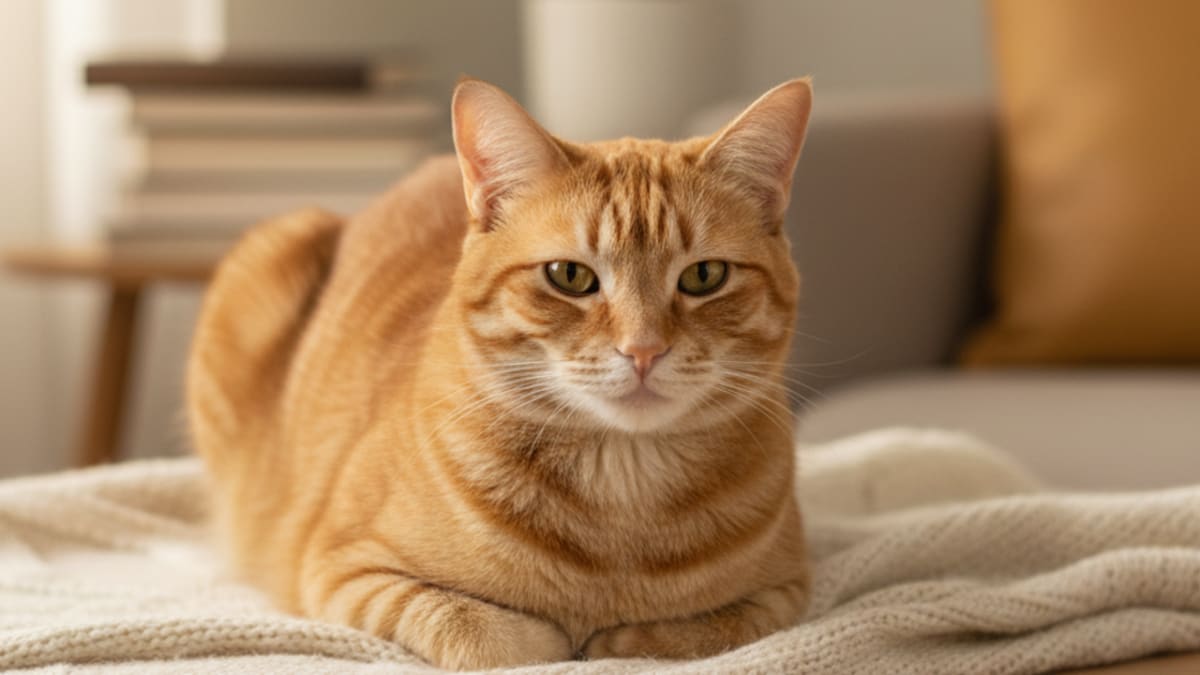
Benadryl's active ingredient, diphenhydramine, is a first-generation antihistamine that vets have used off-label in cats for decades — mostly because it's cheap, easy to find, and works on the same histamine pathway in cats that it targets in people and dogs. There's no FDA approval for veterinary use, and you won't find a cat-labeled bottle at the pharmacy, but it's still one of the more commonly reached-for over-the-counter options for allergic reactions and mild travel stress. If you're weighing whether diphenhydramine for cats is a reasonable option for your household, the short answer is: often yes, with a few caveats worth knowing upfront.
Cats aren't just small dogs here, though. They're generally more sensitive to sedating medications, and a meaningful minority react with the opposite effect — hyperactivity instead of drowsiness — which is worth knowing before the first dose rather than after. If there's a dog in the household too, keep the two separate: the Benadryl Dosage Calculator for Dogs is built around a different weight-based range than what's safe for a cat, so the same tablet math doesn't carry over. That's also the core of the "is Benadryl safe for cats" question: it's safe within the right dose and formulation, and riskier the moment either of those slips.
Working out the right Benadryl dosage for cats starts with an accurate weight, since the dose scales directly with it. The range below reflects the dosing most commonly cited in veterinary references for diphenhydramine in cats, generally 2-4 mg/kg given once or twice a day. This is general reference information, not a prescription — confirm the dose and frequency with your vet before giving it, especially for a first-time use or a cat on other medications.
| Cat's Weight | Low-End Dose (2 mg/kg) | High-End Dose (4 mg/kg) |
|---|---|---|
| 5 lbs (2.3 kg) | 4.5 mg | 9 mg |
| 6 lbs (2.7 kg) | 5.4 mg | 11 mg |
| 7 lbs (3.2 kg) | 6.4 mg | 13 mg |
| 8 lbs (3.6 kg) | 7.3 mg | 15 mg |
| 9 lbs (4.1 kg) | 8.2 mg | 16 mg |
| 10 lbs (4.5 kg) | 9 mg | 18 mg |
| 12 lbs (5.4 kg) | 11 mg | 22 mg |
| 15 lbs (6.8 kg) | 14 mg | 27 mg |
| 18 lbs (8.2 kg) | 16 mg | 33 mg |
| 20 lbs (9.1 kg) | 18 mg | 36 mg |
Standard Benadryl tablets come in 25 mg, so most owners end up giving a half tablet (12.5 mg) for an average 8-10 lb cat rather than hitting an exact milligram figure — that's normal and fine within the range. If you're asking how much Benadryl for cats is appropriate at your cat's exact weight, use the Benadryl for cats dosage chart above as your starting point and round to the nearest half tablet. Many vets start at the lower end and dose once daily before considering twice-daily use, since cats tend to feel the sedating effects more strongly than dogs do at an equivalent dose.
Diphenhydramine shows up in a handful of specific situations for cats, not as a general-purpose sedative or all-purpose cat allergy medicine:
It is not a treatment for a severe allergic reaction. If your cat's face is swelling, they're struggling to breathe, or they collapse, that's an emergency vet visit, not a Benadryl dose.
This is where people get into trouble, and it's rarely the diphenhydramine itself that's the problem — it's everything else in the bottle.
Plain diphenhydramine tablets (the classic pink 25 mg pill) are the safest, most predictable option for cats because there's only one active ingredient to calculate, and a pill cutter makes the half-tablet dose straightforward. Liquid Benadryl for cats can technically work too, but many children's liquid formulations contain alcohol or are combined with other drugs — check the label for "diphenhydramine HCl" as the only active ingredient before using anything liquid, and be aware that cats are notoriously difficult to dose accurately with a liquid they can taste.
The real danger is combination products. Anything labeled "Benadryl-D," "Severe Allergy Plus Sinus," or similar often contains a decongestant like pseudoephedrine or phenylephrine, which can cause a dangerous spike in heart rate and blood pressure in cats. Some liquid formulations also use xylitol as a sweetener — it's toxic to both dogs and cats even in small amounts, and can trigger a life-threatening drop in blood sugar. Read the ingredient label every time, not just the front of the box.
Diphenhydramine is typically dosed once or twice a day in cats, since giving it more frequently raises the risk of oversedation. Cats process it a little differently than dogs, and stacking a second dose because the first "didn't seem to work" within an hour is a common way owners accidentally give too much. Give it time — and stick to the interval your vet confirms — before assuming a dose failed.
Drowsiness is the most common effect, and for most cats it's mild and short-lived. Less commonly:
If your cat seems wired rather than sleepy after a dose, that's a known paradoxical reaction and worth mentioning to your vet before giving it again.
A few conditions make diphenhydramine a poor fit for cats without direct vet guidance: glaucoma, certain heart conditions, high blood pressure, and pregnancy — if there's any chance she's expecting, the Cat Pregnancy Due Date Calculator can help you confirm the timeline before giving anything, so you can flag it to your vet. Cats already on other sedating medications — gabapentin or prescription anxiety medications — can also get more sedation than intended when Benadryl is added on top. Always mention every medication and supplement your cat is currently taking before giving an OTC antihistamine, even a familiar one.
An overdose usually comes from a cat getting into a full bottle rather than from a correctly measured dose. Watch for:
If your cat gets into a bottle of any Benadryl product — especially a combination formula — call your vet or ASPCA Animal Poison Control (888-426-4435, 24/7, consultation fee applies) right away. Bring the packaging with you or have it on hand for the call; knowing the exact formulation and how many tablets are missing changes how the vet advises you.
People often reach for Benadryl for carrier trips or vet-visit stress because it's already in the house. It can take the edge off in mild cases, but it wasn't designed for anxiety, and the sedation it provides is a side effect, not a targeted mechanism. For cats with real situational anxiety — vet visits, travel, or a new environment — gabapentin is the option vets reach for far more often, since it works through a pathway built for that purpose and tends to be more predictable. Benadryl's real strength is allergies, not nerves.
Confirm your cat's weight, check the label for diphenhydramine as the only active ingredient, and start at the low end of the range before assuming a half tablet twice a day is needed. If reactions keep coming back, that's a conversation with your vet about what's actually triggering them, not a reason to keep upping the dose.
General guidance on this topic from veterinary organizations. This guide is educational and written by a non-veterinarian; check with your own vet before changing your pet's food, medication or care. Editorial policy
The commonly cited veterinary range is 2-4 mg/kg (roughly 1-2 mg/lb), given once or twice a day. Most owners give a half of a 25 mg tablet (12.5 mg) for an average 8-10 lb cat. Confirm with your vet before the first dose, especially if your cat takes other medication.
Plain diphenhydramine is generally considered safe at appropriate doses for most healthy cats, but it's not risk-free for cats with glaucoma, certain heart conditions, or cats on other sedating medications. Combination products with decongestants or xylitol are the real danger, not the diphenhydramine itself.
Only use liquid formulations where diphenhydramine HCl is the sole active ingredient — many children's liquid products contain alcohol or are combined with other drugs. Dosing follows the same 2-4 mg/kg range as tablets, but concentrations vary by product, and cats can be difficult to dose accurately with liquid medication.
Yes, as long as it's plain diphenhydramine with no added decongestant, pain reliever, or xylitol sweetener. Check the ingredient list every time, since formulations and flavors change and some contain ingredients that are dangerous for cats.
Typically once or twice a day. Giving a second dose within an hour because the first 'didn't work' is a common way owners accidentally give a cat too much — cats tend to feel sedating effects more strongly than dogs do at an equivalent dose.
Signs of overdose include extreme drowsiness, dilated pupils, rapid heart rate, agitation, tremors, and in severe cases seizures. Call your vet or ASPCA Animal Poison Control (888-426-4435) immediately if your cat gets into a full bottle.
It can take the edge off mild situational stress because drowsiness is a side effect, but it wasn't designed for anxiety. For vet visits or travel, gabapentin works through a mechanism built specifically for anxiety and tends to be more reliable in cats.
Most cats show some improvement in itching or hives within an hour, but full effect can take longer. If swelling is around the face or your cat is struggling to breathe, that's an emergency vet visit, not a wait-and-see situation.
Prepare for a senior pet checkup with a simple record of mobility, appetite, weight, medications and questions for your veterinary team.
3 min readThe 7-year rule was never based on biology. Learn the DNA methylation formula vets now use to convert your dog or cat's age into accurate human-year equivalents — adjusted for breed size and life stage.
7 min readPoinsettias are usually only mildly irritating to pets, but other holiday plants are far worse. Here is which plants to keep, which to move, and what to do if your pet chews one.

