 PetCalcStudio

How to Introduce Two Cats at Their Own Pace
Prepare a separate room, swap scent, introduce through a barrier and learn when to slow down if either cat shows tension.
2 min readCare guide
The Brittany is a medium-sized, athletic bird dog known for boundless energy, eagerness to please and a gentle nature. Learn about size, lifespan, temperament, exercise, grooming, training, health concerns, feeding and whether this breed fits your home.
Educational information. Our editorial policy
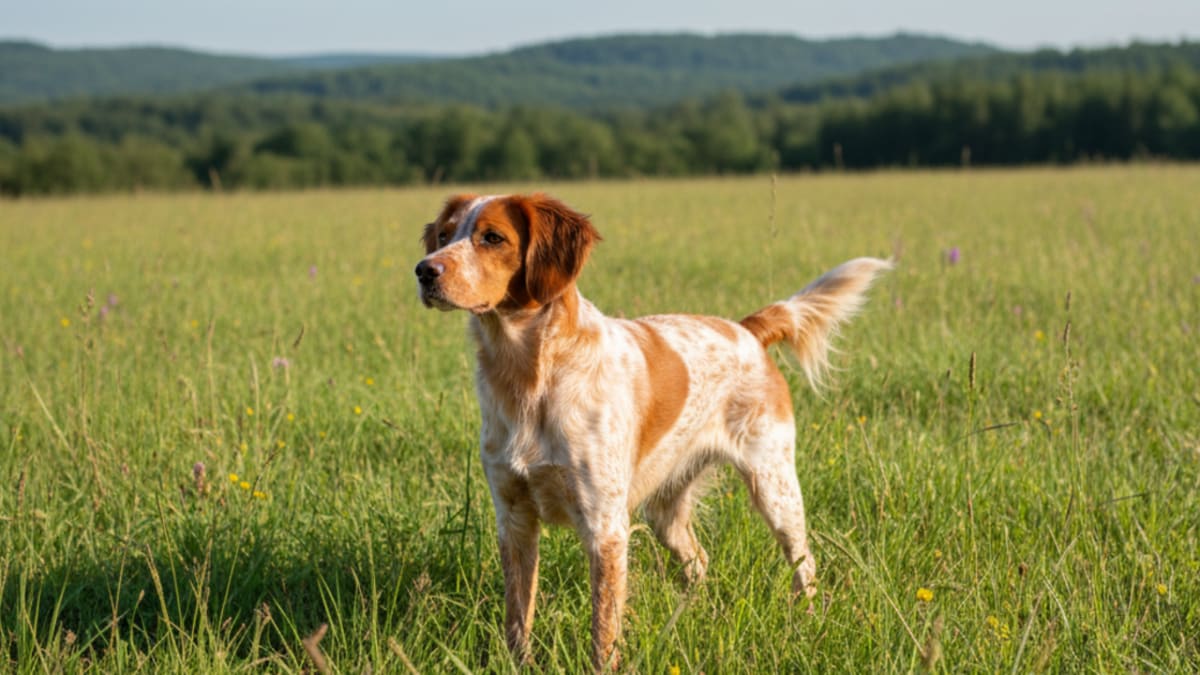
The Brittany is a medium-sized sporting dog, usually 30-40 lb and 17.5-20.5 inches tall, with a friendly, eager-to-please personality and very high energy. Expect 12-14 years of life, an easy-care coat and a need for at least an hour or more of vigorous exercise every day.
Originally bred in the Brittany region of France to point and retrieve game birds, the Brittany is now a popular family and sporting companion. It is affectionate, bright and happiest when it has a job and a person to share it with. But that energy is not for everyone. This guide covers the Brittany's size, appearance, temperament, exercise and training needs, grooming, common health concerns, feeding and who this breed suits best. Use the breed selector to compare it with other breeds.
| Trait | Typical range |
|---|---|
| Height | 17.5-20.5 inches |
| Weight | About 30-40 lb (14-18 kg) |
| Lifespan | Roughly 12-14 years |
| Coat | Dense, flat or wavy, medium length |
| Colors | Orange and white, liver and white, sometimes with roan or tricolor patterns |
| Group | Sporting |
| Energy | Very high |
| Trainability | High, sensitive to harsh correction |
The Brittany was developed in the province of Brittany, France, as a versatile bird dog that could both point and retrieve. It was once called the Brittany Spaniel, but the American Kennel Club dropped "Spaniel" from the name in 1982 because the breed works more like a pointer than a flushing spaniel. Many Brittanys are born with naturally short or absent tails. Today they excel in field work and dog sports.
This is not a casual walk breed. Plan on at least 60-90 minutes of vigorous exercise daily, ideally with a mix of:
A bored Brittany can become destructive, noisy or anxious. Puppies should not do forced, repetitive or high-impact exercise until their joints have matured, so ask your vet about age-appropriate activity.
Brittanys learn quickly and enjoy training sessions. Use rewards, short sessions and variety.
The Brittany's coat is easy to care for compared with many sporting breeds.
Brittanys are generally healthy, but responsible breeders screen for known conditions. Ask for health testing documentation.
Regular vet checkups, vaccinations, parasite prevention and weight control help keep them healthy.
Energy needs depend on age, neuter status and activity level. A very active hunting or sport dog needs far more calories than a family pet. Feed a complete and balanced diet for your dog's life stage, measure portions and keep your Brittany lean, which protects the joints.
A 17 kg (37 lb) neutered adult Brittany.
Use the dog calorie calculator to estimate calories for your own dog.
A Brittany may suit you if you:
A Brittany may not suit you if you:
Contact your vet if your Brittany has seizures, repeated ear shaking or discharge, limping, difficulty rising, changes in appetite, unexplained weight changes or low energy. Seek emergency care for a swollen abdomen with retching, collapse or seizures lasting more than a few minutes. For suspected poisoning, call the ASPCA Animal Poison Control Center at 888-426-4435 or the Pet Poison Helpline at 855-764-7661 (fees may apply).
The Brittany is a sweet, athletic and trainable companion for active households. If you can meet its exercise and training needs, it will repay you with loyalty and joy. Compare it with other breeds using the breed selector, and plan feeding with the dog calorie calculator.
Typically 17.5-20.5 inches tall and about 30-40 lb.
Roughly 12-14 years with good care.
Yes, they are affectionate and friendly, but their high energy means they need active families and daily exercise.
At least 60-90 minutes of vigorous activity a day, plus mental stimulation.
They shed moderately. Weekly brushing is usually enough.
Hip dysplasia, epilepsy, hypothyroidism, ear infections and some eye conditions. Choose a breeder who health-tests.
Prepare a separate room, swap scent, introduce through a barrier and learn when to slow down if either cat shows tension.
2 min readCreate an indoor setup your cat can explore, with safe hiding spots, scratching surfaces, supervised play and options for smaller homes.
3 min readTry a calm, dog-led walk with safe sniffing stops. Choose a route, use a comfortable pace and adapt the outing for your dog.
3 min read
