 PetCalcStudio

How to Feed Dogs and Cats Separately in a Shared Home
Set up separate feeding stations, measure each pet’s meals and monitor what they actually eat with a simple household routine.
3 min readCare guide
Dog obesity is becoming a serious problem, and many pet owners don’t even realize their dog is overweight. Extra weight can lead to joint issues, heart problems, and a shorter lifespan.
Educational information. Our editorial policy
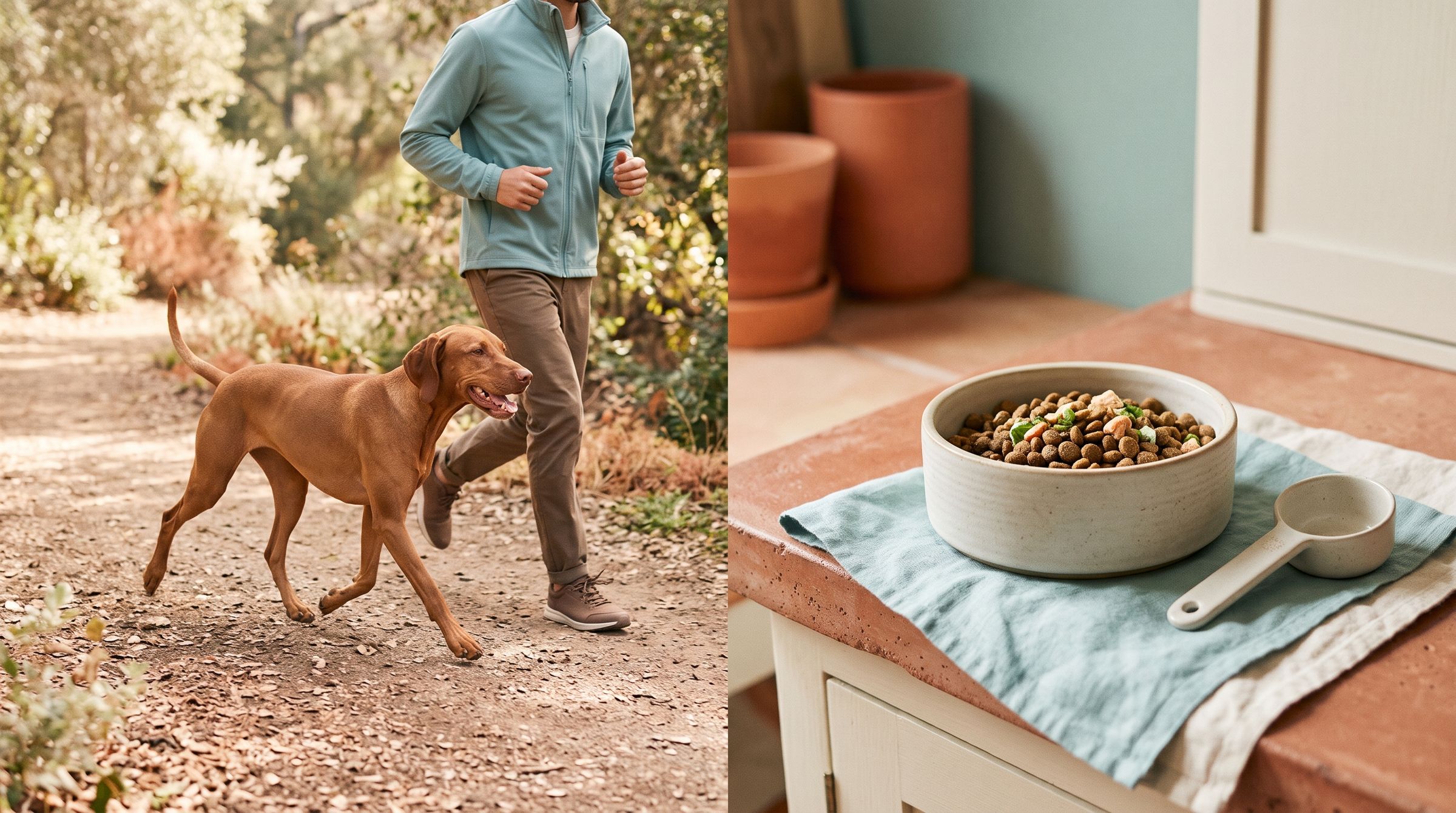
Dog obesity is becoming a serious problem, and many pet owners don’t even realize their dog is overweight. Extra weight can lead to joint issues, heart problems, and a shorter lifespan.
If your dog is gaining weight, the solution is not just feeding less randomly. The key is to calculate the right calorie intake for safe and effective weight loss.
This guide explains how to calculate dog calories for weight loss, create a proper plan, and avoid common mistakes.
An overweight dog is at risk of several health problems, including:
Even a small amount of weight loss can significantly improve your dog’s health.
Before starting a weight loss plan, you need to confirm if your dog is overweight.
Signs include:
If you notice these signs, the Is My Dog Overweight? Calculator gives a faster, more structured check than eyeballing it — then it's time to adjust calorie intake.
First, you need to estimate how many calories your dog currently needs to maintain its weight.
A simple method is:
This gives an approximate daily calorie requirement for maintenance.
For weight loss, you need to reduce calorie intake.
A safe approach is:
Rather than working that deficit out by hand each time, the Dog Feeding Calculator — Weight Loss Mode applies a conservative, built-in calorie deficit to your dog's numbers automatically, since crash dieting a dog carries its own risks.
Manual calculations are helpful, but for better accuracy, use the dog nutrition calculator.
This tool helps you:
Once you know the target calories, adjust your dog’s meals accordingly.
Tips:
Consistency is key for results.
Diet quality plays a major role in weight loss.
Helps maintain muscle while losing fat.
Reduces calorie intake.
Helps your dog feel full for longer.
Avoid feeding table scraps and high-calorie treats.
Weight loss is not only about food. Exercise is equally important.
Recommended activities:
Start slowly and increase activity gradually.
Track your dog’s weight regularly.
Healthy weight loss rate:
If weight loss is too fast or too slow, adjust calorie intake slightly.
Many dog owners make mistakes during weight loss:
Weight loss takes time and consistency.
May need a slower weight loss plan due to lower activity.
Require careful calorie control.
Always consult a vet if your dog has health issues.
Even small extra treats can ruin a calorie deficit. Always include treats in total daily calorie intake.
Helping your dog lose weight is one of the best things you can do for its health. The key is not starving your dog but managing calories properly.
Use the dog feeding calculator to get accurate results. With the right plan, your dog can return to a healthy weight safely.
General guidance on this topic from veterinary organizations. This guide is educational and written by a non-veterinarian; check with your own vet before changing your pet's food, medication or care. Editorial policy
A reduction of 15–25% from maintenance calories is generally safe.
About 1–2% of body weight per week is ideal.
No, this can be harmful and lead to health issues.
You can give treats, but they must be included in daily calorie intake.
High-protein, low-fat, and high-fiber diets work best.
Once a week is recommended during weight loss.
Exercise helps, but calorie control is the most important factor.
Set up separate feeding stations, measure each pet’s meals and monitor what they actually eat with a simple household routine.
3 min readSet up safe storage for dry pet food and opened wet food. Keep lot codes handy and learn what to do with leftovers and damaged packaging.
3 min readConvert cups to grams using your food’s own label. See worked examples, avoid scoop errors, and measure an existing feeding plan more consistently.
3 min read
