 PetCalcStudio

How to Introduce Two Cats at Their Own Pace
Prepare a separate room, swap scent, introduce through a barrier and learn when to slow down if either cat shows tension.
2 min readCare guide
Puppy insurance is cheapest and most useful when you enroll early, before any condition becomes pre-existing. Learn what plans cover, how deductibles and reimbursement work, what to watch for in the fine print and how to decide if it is worth it for your budget.
Educational information. Our editorial policy
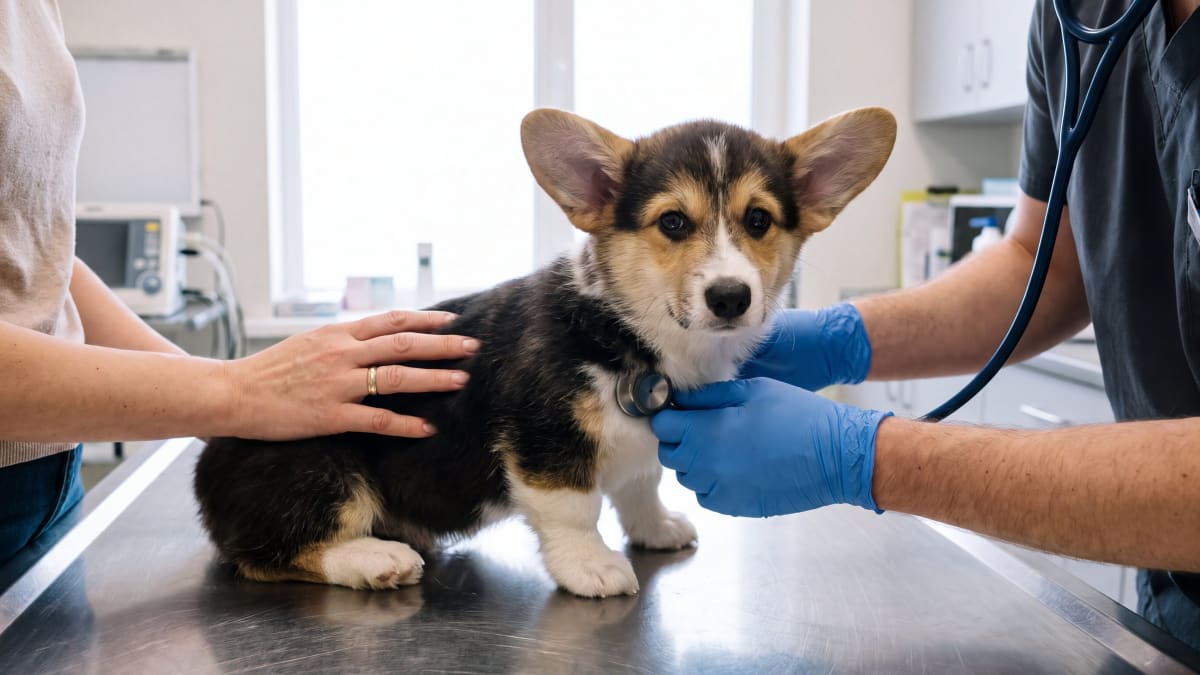
Puppy insurance is usually worth considering if an unexpected vet bill of several thousand dollars would strain your budget. Enrolling early matters most: premiums are lower for young dogs, waiting periods start sooner and any condition that appears before coverage begins is typically excluded as pre-existing for life.
A new puppy brings joy, chaos and a surprising number of vet visits. Vaccines, deworming, spay or neuter and microchipping are predictable. The unpredictable costs are what make people consider insurance: the sock that needs surgery, the torn ligament at 14 months, the allergy that never quite clears. This guide explains how puppy insurance works, what it covers and excludes, how to compare plans, how to run the numbers on your own puppy and when self-insuring with savings might be the better choice. Use the pet insurance calculator to estimate costs for your situation.
Insurers generally will not pay for pre-existing conditions, meaning any illness or injury your dog showed signs of before the policy began or during the waiting period. That exclusion usually lasts for the life of the policy. A puppy who is healthy at 8 weeks has a clean slate, so everything that comes up afterward can be eligible. A dog who develops ear infections, skin allergies or a limp before enrollment may find those conditions excluded forever, even though they are exactly what you would want to cover.
Age matters for price too. Premiums typically rise as dogs get older, so locking in a plan while your puppy is young generally costs less over the dog's life than starting at age six.
| Plan type | What it usually covers | Good for |
|---|---|---|
| Accident-only | Injuries such as fractures, bite wounds, swallowed objects | Tight budgets, basic protection |
| Accident and illness | Accidents plus illnesses such as infections, allergies, cancer, digestive problems | Most puppy owners |
| Wellness or routine-care add-on | Vaccines, preventives, checkups, spay or neuter, often with annual caps | Owners who want predictable costs |
Coverage details vary between companies, so read the policy rather than the brochure. Many plans also cover diagnostics (X-rays, bloodwork, ultrasound), surgery, hospitalization and prescriptions. Hereditary and congenital conditions are covered by some plans and excluded by others, which is especially important for breeds prone to hip dysplasia, patellar luxation, heart disease or airway problems.
Most pet insurance reimburses you after you pay the vet. Some insurers can pay the clinic directly. Check which applies.
Your puppy swallows a sock and needs surgery. The vet bill is $4,500.
In a year with no claims, you would have paid $660 and received nothing but protection. That is the trade-off. Insurance is designed to protect against costly, unlikely events, not to pay back what you put in. All dollar figures here are illustrative, so use real quotes for your own puppy.
Insurance rarely pays for routine items on a standard plan, such as puppy vaccines, flea and tick preventives, microchipping or spay and neuter, unless you add a wellness plan. Training, boarding, food, grooming and supplies are also yours to budget. For first-year totals, see the pet insurance calculator and compare them to your savings.
Self-insuring works best for people with substantial savings. If a $5,000 bill would force you to choose between treatment and other essentials, insurance is worth a hard look.
Flat-faced breeds, large breeds prone to joint problems and breeds with known heart or spinal conditions often have higher premiums because their risks are higher. Mixed breeds may be cheaper but can still face costly accidents. Active, adventurous puppies are at higher risk of injury, and chewers are at higher risk of obstruction. Your own risk tolerance and savings matter as much as the breed.
Insurance does not change when to seek care. Contact your vet promptly if your puppy has repeated vomiting, bloody or persistent diarrhea, trouble breathing, lethargy, a swollen abdomen, limping, or has swallowed something it should not have. For suspected poisoning, call the ASPCA Animal Poison Control Center at 888-426-4435 or the Pet Poison Helpline at 855-764-7661 (fees may apply). Ask your vet clinic about whether it can accept direct payment from insurers and keep records of all visits, since insurers may request them.
Puppy insurance is a financial safety net, not a necessity for every owner. If an unexpected bill would be hard to absorb, enroll early while your puppy is healthy, compare deductibles, reimbursement and exclusions carefully, and read the fine print. Use the pet insurance calculator to compare premiums with your likely costs, and keep a small emergency fund alongside any plan.
It can be if an unexpected bill of several thousand dollars would strain your finances. It protects against rare, costly events rather than paying back premiums.
As early as the insurer allows, often 6-8 weeks, so conditions that appear later are not excluded as pre-existing.
Any illness or injury your dog showed signs of before coverage began or during the waiting period. Insurers usually exclude these permanently.
Not on a standard accident and illness plan. A wellness add-on may cover routine care up to set limits.
Yes. Accidents often have short waits, illnesses about two weeks and orthopedic conditions sometimes months. Check each policy.
It can work if you have enough savings to cover a major bill comfortably. Otherwise insurance offers more certainty.
Prepare a separate room, swap scent, introduce through a barrier and learn when to slow down if either cat shows tension.
2 min readCreate an indoor setup your cat can explore, with safe hiding spots, scratching surfaces, supervised play and options for smaller homes.
3 min readTry a calm, dog-led walk with safe sniffing stops. Choose a route, use a comfortable pace and adapt the outing for your dog.
3 min read
