 PetCalcStudio

How to Introduce Two Cats at Their Own Pace
Prepare a separate room, swap scent, introduce through a barrier and learn when to slow down if either cat shows tension.
2 min readCare guide
Cargo, in-cabin, or ground transport — the cheapest quote doesn't matter if your pet's breed or size rules it out. Here's how to actually compare pet shipping options.
Educational information. Our editorial policy
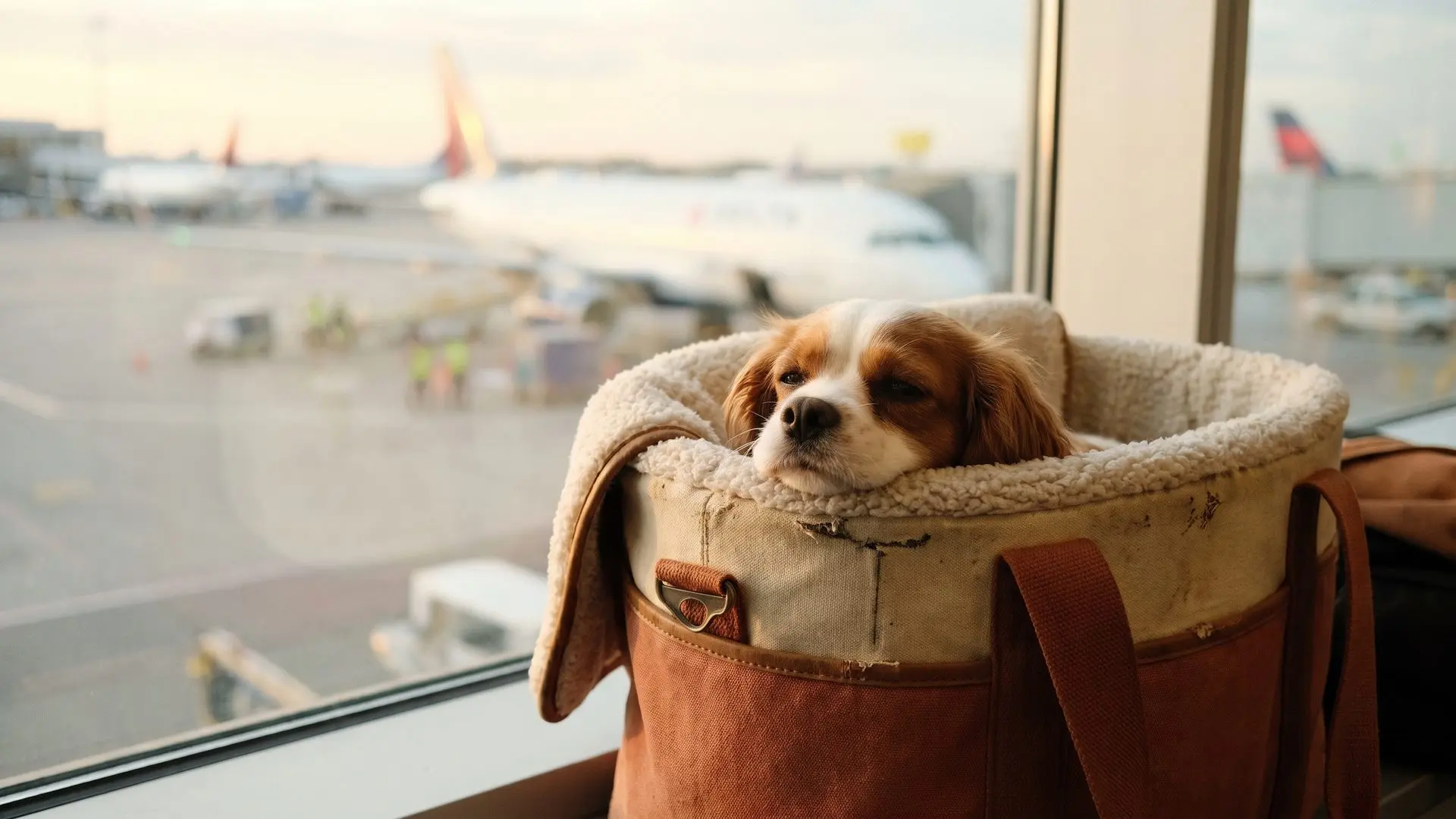
Quick answer (2026): flying a small dog or cat in the cabin usually costs $100 to $200 each way in airline pet fees, on top of your ticket, so a round trip commonly adds $250 to $300. Cargo for larger pets is a different service with different rules, and some airlines have stopped offering it: United, for example, no longer lets the public check pets through its PetSafe program. Fees change often, so check the airline's own pet page before you book. Use our pet transport cost calculator or the travel estimator to price your own trip.
Pet transport gets treated like a shipping-cost question — "how much to send my dog from A to B" — but the method you choose changes the price, the paperwork, and the risk profile in ways a flat shipping quote doesn't capture. Airline cargo, in-cabin flying, and professional ground transport are three genuinely different services with different rules, and picking the cheapest one without checking whether your pet actually qualifies for it is how owners end up with a canceled booking days before a move.
In-cabin flying. The cheapest option when it's available, because the airline is charging a pet fee rather than a freight rate. The catch is strict size and weight limits — the pet plus carrier generally has to fit under the seat, which rules this out for most dogs larger than a small breed.
Airline cargo. Priced more like freight — driven by crate size and weight, route, and season, since temperature restrictions can push a pet's booking to a different time of year entirely. Airlines govern cargo pet shipments under IATA Live Animals Regulations, which set crate construction and ventilation standards. Many major US airlines also maintain breed embargoes for brachycephalic (snub-nosed) breeds — French Bulldogs, Pugs, Boston Terriers, and similar — in cargo, due to their documented elevated risk of respiratory distress at altitude and under stress.
Professional ground transport. Typically the most expensive per mile for long distances, but it avoids cargo-hold restrictions entirely and is often the only realistic option for brachycephalic breeds, elderly pets, or pets with health conditions that make flying cargo inadvisable. Cost is driven mainly by distance and whether the pet needs an exclusive (non-shared) vehicle.
| Method | Best for | What drives the cost |
|---|---|---|
| In-cabin flying | Small pets that fit under the seat | Airline pet fee (flat, route-independent) |
| Airline cargo | Medium-to-large healthy pets, non-restricted breeds | Crate size/weight, route, season |
| Ground transport | Brachycephalic breeds, senior pets, long distances with health concerns | Distance, shared vs. exclusive vehicle |
Airlines charge a pet fee for each direction, so a round trip is double the one-way figure. The fee covers a place for your pet's carrier under the seat in front of you. It does not buy a seat.
| Airline | In-cabin pet fee, each way | Notes |
|---|---|---|
| Delta | $150 domestic (tickets issued on or after April 8, 2025), $200 international | Published on Delta's pet travel page |
| United | $150 | Cats and dogs only. United's page says pets no longer fly through its PetSafe cargo program |
| Alaska and Hawaiian | $100 to $200 depending on the route | Published on Alaska's pets page |
| American, Southwest, JetBlue | Roughly $125 to $150 | Sources differ slightly, so confirm at booking |
| Frontier | Reported between $99 and $149 | Sources differ. The fee is shown in the booking flow |
These figures reflect what airlines published or what travel trackers reported in autumn 2026. Fees, carrier size limits and the number of pets allowed per flight change without much notice.
Airlines charge the same in-cabin pet fee for a cat and a dog, so the cost to fly a cat is the same $100 to $200 each way as a small dog. The difference is practical: a cat in a soft-sided carrier is usually easier to fit under the seat, while a dog must be small enough to turn around and lie down in the carrier. Always check the airline's carrier dimensions and weight limit for pet plus carrier.
Dogs too big for the cabin face fewer options. Cargo availability, pricing and breed restrictions vary by airline, route and season, and snub-nosed breeds are often restricted. For long distances, ground transport can be a calmer option. Ask the airline or transport company for a written quote that lists crate size, weight and route before you commit.
Interstate and international pet travel in the US generally requires a health certificate issued by a USDA-accredited veterinarian within a specific window before travel (commonly 10 days, though the exact window depends on the destination and carrier), along with proof of current vaccinations. International travel adds requirements that vary significantly by destination country — from straightforward paperwork to lengthy quarantine periods — and these requirements should be confirmed directly with the destination country's authority well before booking, since rules change and vary widely.
Booking cargo travel without checking seasonal embargoes. Most airlines restrict cargo pet shipments during extreme heat or cold, which can shift a planned move by weeks if booked too close to the date.
Assuming any small dog qualifies for in-cabin flying. Carrier dimensions and total weight limits (pet plus carrier) vary by airline, and being slightly over the limit means the booking gets rejected, not just charged more.
Not accounting for breed restrictions. Brachycephalic breeds are frequently barred from cargo entirely regardless of size, which owners of French Bulldogs and similar breeds often discover only when the booking is declined.
Booking ground transport too close to the move date. Professional pet transport companies often need weeks of lead time, especially for cross-country routes, and last-minute bookings can cost significantly more or simply be unavailable.
Skipping the health certificate timeline. A health certificate issued too early relative to the actual travel date can be rejected at check-in, particularly for international travel with strict windows.
The cheapest quote isn't useful if your pet doesn't actually qualify for that method — breed, size, and season rule out options before price ever enters the picture. Check eligibility first, then compare cost across whichever methods remain.
In-cabin flying is typically the cheapest option when your pet is small enough to qualify, since it's priced as an airline pet fee rather than a freight or ground-transport rate.
No — many airlines restrict or fully embargo brachycephalic (snub-nosed) breeds from cargo due to documented respiratory risk, and most also impose seasonal temperature restrictions that can block a booking regardless of breed.
Yes, for interstate and international travel a USDA-accredited veterinarian's health certificate is generally required, issued within a specific window before travel that varies by destination.
Several weeks at minimum for ground transport, and as early as possible for cargo flights given seasonal embargoes — booking close to the date limits your options and can raise the price.
For breeds or pets with health conditions that make flying risky, ground transport avoids cargo-hold conditions entirely and is often the recommended option, though it typically costs more for long distances.
Brachycephalic breeds — including French Bulldogs, Pugs, Boston Terriers, and similar short-nosed breeds — face the most common restrictions, though specific embargo lists vary by airline.
A small dog in the cabin typically pays $100 to $200 each way in airline pet fees, so $250 to $300 round trip on many US carriers. Larger dogs need cargo or ground transport, which are priced by crate size, weight and route.
The same as a small dog: airlines charge a per-direction pet fee of about $100 to $200 for an in-cabin cat, and a round trip is double. A soft-sided carrier that fits under the seat is required.
In general yes. The fee is for a pet carrier in the cabin, not for the species. Rules on carrier size and weight vary by airline, so check yours before booking.
Generally no. Only pets that fit in an approved carrier under the seat travel in the cabin. Larger dogs may travel in cargo on airlines that offer it, or by ground transport.
For short trips, driving yourself. For flights, in-cabin travel is normally cheaper than cargo for pets small enough to qualify. Compare it with the cost of a pet sitter if you are away only a few days.
Prepare a separate room, swap scent, introduce through a barrier and learn when to slow down if either cat shows tension.
2 min readCreate an indoor setup your cat can explore, with safe hiding spots, scratching surfaces, supervised play and options for smaller homes.
3 min readTry a calm, dog-led walk with safe sniffing stops. Choose a route, use a comfortable pace and adapt the outing for your dog.
3 min read
