 PetCalcStudio
How to Introduce Two Cats at Their Own Pace
Prepare a separate room, swap scent, introduce through a barrier and learn when to slow down if either cat shows tension.
2 min read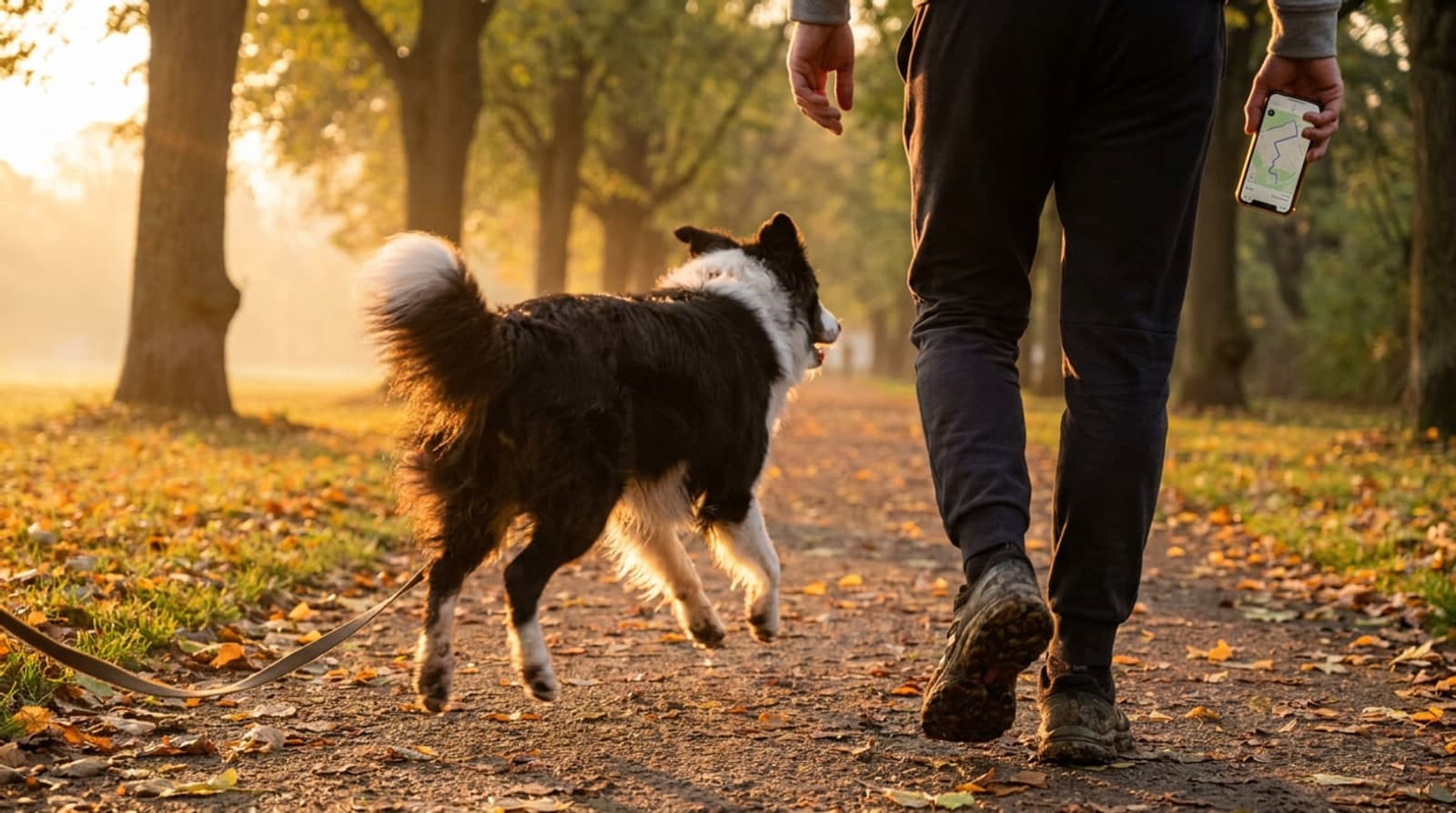
Pet calculator
Dog walking and exercise calculator: enter your dog's age, weight, breed size and energy to see how long to walk each day and how much exercise they need.
Live — updates as you change inputs.
Choose breed.
Step 1 — Select your dog's breed (optional but recommended). Breed is the single most important factor. A Border Collie needs 2+ hours daily; a Basset Hound is content with 30–45 minutes. For mixed breeds, select the dominant breed or leave blank.
Step 2 — Enter your dog's age in years. Puppies need short, frequent walks (5 minutes per month of age, twice daily). Adults need the most exercise. Seniors need maintained but shorter, more frequent sessions. Use decimals for young dogs (0.5 for 6 months).
Step 3 — Enter weight (optional). Weight helps for overweight dogs and heat tolerance — heavier dogs overheat faster.
Step 4 — Select health status. Hip dysplasia, heart disease, brachycephalic airway issues, or recent surgery have real limits. Discuss output with your vet if your dog has diagnosed conditions.
Step 5 — Select activity level, weather, and availability. The calculator balances what your dog needs against your schedule and conditions. Weather adjustments are critical for brachycephalic and heavy-coated breeds.
Step 6 — Click Generate Walking Schedule. Output shows minimum, recommended, and maximum daily exercise in minutes with time-of-day recommendations. Download the PDF to share with a dog walker or family member.
Minimum vs recommended vs maximum. Minimum is the floor below which under-exercise shows as destructive behaviour or anxiety. Recommended is the target for a satisfied dog. Maximum is where overexertion risk begins.
Why mental exercise matters. A 30-minute sniff walk exhausts more mentally than a brisk march with no stops. High-intelligence breeds need mental work alongside physical exercise.
The 5-minute rule for puppies. Growth plates are vulnerable until adolescence. Structured leash walking should follow 5 minutes per month of age, twice daily. Free play on varied terrain does not count against this limit.
Weather adjustment explained. Dogs cool only through panting. Brachycephalic breeds overheat quickly. Walk early or late in heat, check pavement temperature, and always carry water.
When to stop a walk early. Stop for excessive panting, stumbling, heavy drooling, vomiting, abnormal gum colour, or refusal to continue. Move to shade, offer water, and contact a vet if symptoms persist.
| Breed Group | Examples | Daily Minimum | Daily Recommended | Walk Sessions |
|---|---|---|---|---|
| Working / Herding | Border Collie, Aussie, GSD, Husky | 90 min | 120–180 min | 3–4 sessions |
| Sporting | Labrador, Golden, Springer Spaniel | 60 min | 90–120 min | 2–3 sessions |
| Terrier | Jack Russell, Airedale, Bull Terrier | 45 min | 60–90 min | 2–3 sessions |
| Hound | Beagle, Greyhound, Basset | 40 min | 60–80 min | 2 sessions |
| Toy | Chihuahua, Maltese, Pomeranian | 20 min | 30–45 min | 2 sessions |
| Brachycephalic | French Bulldog, Pug, Bulldog | 20 min | 30 min max | 2 short sessions |
| Giant breeds | Great Dane, Saint Bernard, Newfoundland | 30 min | 45–60 min | 2 sessions |
| Sighthound | Greyhound, Whippet, Saluki | 30 min off-lead sprint | 60 min total | 2 sessions + off-lead |
| Life Stage | Age | Recommended Daily Exercise | Notes |
|---|---|---|---|
| Young puppy | 8–16 weeks | 10–20 min (free play) | No forced lead walking |
| Puppy | 4 months | 20 min × 2 structured | 5-min rule applies |
| Puppy | 6 months | 30 min × 2 structured | Growth plates still open |
| Adolescent | 9–12 months | 40 min × 2 | Add mental exercise |
| Adult prime | 2–7 years | 60–90 min total | Full exercise appropriate |
| Early senior | 8–9 years | 45–60 min total | Shorter more frequent |
| Senior | 10+ years | 30–45 min total | Gentle, sniff-focused |
| Temperature | Adjustment | Brachycephalic Breeds | Notes |
|---|---|---|---|
| Below 0°C | Reduce 30%, watch for ice | Reduce 50% | Check paw pads for cracking |
| 0–10°C | Full duration fine | Reduce 20% | Consider coat for short-haired breeds |
| 10–20°C | Ideal conditions | Full duration | Best weather for all breeds |
| 20–25°C | Reduce 20%, take water | Reduce 50% | Avoid midday sun |
| 25–30°C | Reduce 40%, early/late only | Avoid outdoor exercise | Heatstroke risk increases sharply |
| 30°C+ | Minimal essential toilet walks only | No outdoor exercise | Pavement check mandatory |
| Breed | Min Daily (min) | Recommended (min) | Sessions | Special Notes |
|---|---|---|---|---|
| Border Collie | 90 | 120–180 | 3–4 | Must include mental work or becomes destructive |
| Siberian Husky | 90 | 120–150 | 2–3 | Never off-lead in unsecured area |
| German Shepherd | 60 | 90–120 | 2–3 | Needs both physical and mental exercise |
| Labrador Retriever | 60 | 80–100 | 2–3 | Weight management critical |
| Golden Retriever | 60 | 80–100 | 2–3 | Excellent off-lead if recall trained |
| Beagle | 40 | 60–80 | 2 | Must be on lead — scent drive overrides recall |
| French Bulldog | 20 | 25–30 | 2 | Never in heat above 22°C, monitor breathing |
| Chihuahua | 20 | 30 | 2 | Protect from cold, booties in winter |
| Dachshund | 30 | 45 | 2 | No jumping or stairs — spinal risk |
| Great Dane | 30 | 45–60 | 2 | No vigorous exercise after meals — bloat risk |
| Jack Russell Terrier | 45 | 60–90 | 2–3 | High energy relative to size |
| Greyhound | 20 min lead + sprint | 60 total | 2 + off-lead | Short intense off-lead bursts |
Working breeds need 90–180 min; sporting breeds 60–100 min; toy breeds 20–45 min. Brachycephalic breeds cap at ~30 min in mild weather. Use the calculator for a breed-specific schedule.
Focus on time over distance. ~2–3 km in 30 minutes at moderate pace; 3–5 km in 60 minutes. Sniff walks and off-lead time often beat marching for distance alone.
5 minutes of structured leash walking per month of age, twice daily. A 4-month-old: 20 min × 2 max. Free play and puppy classes do not count toward this limit.
Yes — watch for panting that won't stop, lameness, next-day reluctance, or appetite loss. Large-breed puppies are especially vulnerable to growth-plate damage.
Walk before 8am or after 7pm, check pavement heat, reduce duration 30–50%, carry water. Brachycephalic breeds should not walk outdoors above 22°C.
Senior dogs still need exercise for joints and mental health — shorter, more frequent walks often work better than one long session. A 10-year-old Labrador might do better with three 20-minute gentle walks than one 90-minute outing.
No more than 5 minutes of structured leash walking per month of age, per session, twice daily. This protects growth plates until they close, typically at 12–18 months. Giant breeds are most vulnerable.
Sudden refusal in a previously willing dog is a red flag: paw pain, joint pain, neurological issues, fear triggers, or illness. Any sudden change warrants a vet check before assuming it is behavioural.
Twice daily is the minimum for most adults. Three times is better for high-energy breeds. Puppies under 6 months benefit from 3–4 shorter outings. Total daily duration matters more than the exact split.
Garden play counts as activity but rarely replaces walks — walks provide novel scents and socialisation a familiar garden cannot. Off-lead running in a secure area is more valuable than garden play for intensity.
Most adult dogs need 3–5 toilet breaks a day, and at least one every 6–8 hours. Puppies need to go out much more often.
For most dogs, keep 90°F walks to short toilet breaks, ideally early or late in the day. Test the pavement with the back of your hand for 7 seconds.
These are general guides from breed clubs and vet advice for healthy adult dogs. They include walks, play and training.
| Breed group | Daily exercise | Examples |
|---|---|---|
| Herding and working | 90–120+ min | Border Collie, Australian Shepherd, Malinois |
| Sporting and gundog | 60–120 min | Labrador, Pointer, Springer Spaniel |
| Hounds | 60–90 min | Beagle, Whippet (sprints, then lazes) |
| Terriers | 45–60 min | Jack Russell, Staffordshire Bull Terrier |
| Toy and companion | 30–45 min | Shih Tzu, Cavalier, Pug |
| Brachycephalic (flat-faced) | 20–40 min, in cool hours | Bulldog, French Bulldog, Bulldog × Shih Tzu mixes |
A Bulldog × Shih Tzu mix is usually best with two gentle 15–20 minute walks. Both parent breeds are flat-faced and overheat easily. On warm days, check the dog heat safety calculator before you go out.
The popular "5 minutes per month of age" rule for puppies isn't based on research. Use it as a loose cap on structured lead walking, not on free play. Senior dogs often do better with two or three shorter walks than one long one.
For a calorie-based view, the dog exercise calculator estimates how much energy walks burn, and the dog calorie calculator shows what that means for food.
Most adult dogs need a toilet break 3–5 times a day, and at least every 6–8 hours. Puppies can usually hold it for about their age in months plus one hour (a 3-month-old for about 4 hours), with breaks after sleeping, eating and play.
At 80°F, walk in the early morning or evening and shorten the walk. At 90°F, keep to short toilet breaks for most dogs, and especially for flat-faced, senior or overweight dogs. Use the 7-second test: if you can't hold the back of your hand on the pavement for 7 seconds, it's too hot for paws.
For large, deep-chested dogs, many vets advise waiting 1–2 hours after a meal before vigorous exercise, to lower the risk of bloat. A gentle short toilet walk is fine.
You enter the facts that change the estimate.
species · age · weight · lifestyle
We validate ranges and convert units when needed.
lbs ↔ kg · months ↔ years
Published veterinary or industry-standard calculations.
result = f(valid inputs)
Rounded outputs — schedules, ranges, or targets — with disclaimers.
display + notes
 lifestyle
Prepare a separate room, swap scent, introduce through a barrier and learn when to slow down if either cat shows tension.
2 min read lifestyle
Create an indoor setup your cat can explore, with safe hiding spots, scratching surfaces, supervised play and options for smaller homes.
3 min read lifestyle
Try a calm, dog-led walk with safe sniffing stops. Choose a route, use a comfortable pace and adapt the outing for your dog.
3 min read