 PetCalcStudio

How to Introduce Two Cats at Their Own Pace
Prepare a separate room, swap scent, introduce through a barrier and learn when to slow down if either cat shows tension.
2 min readCare guide
Naming a dog feels like it should be the fun part — until you're 45 minutes deep in a list at midnight. Here's how to actually land on a name your dog will respond to, plus hundreds of ideas sorted by style.
Educational information. Our editorial policy
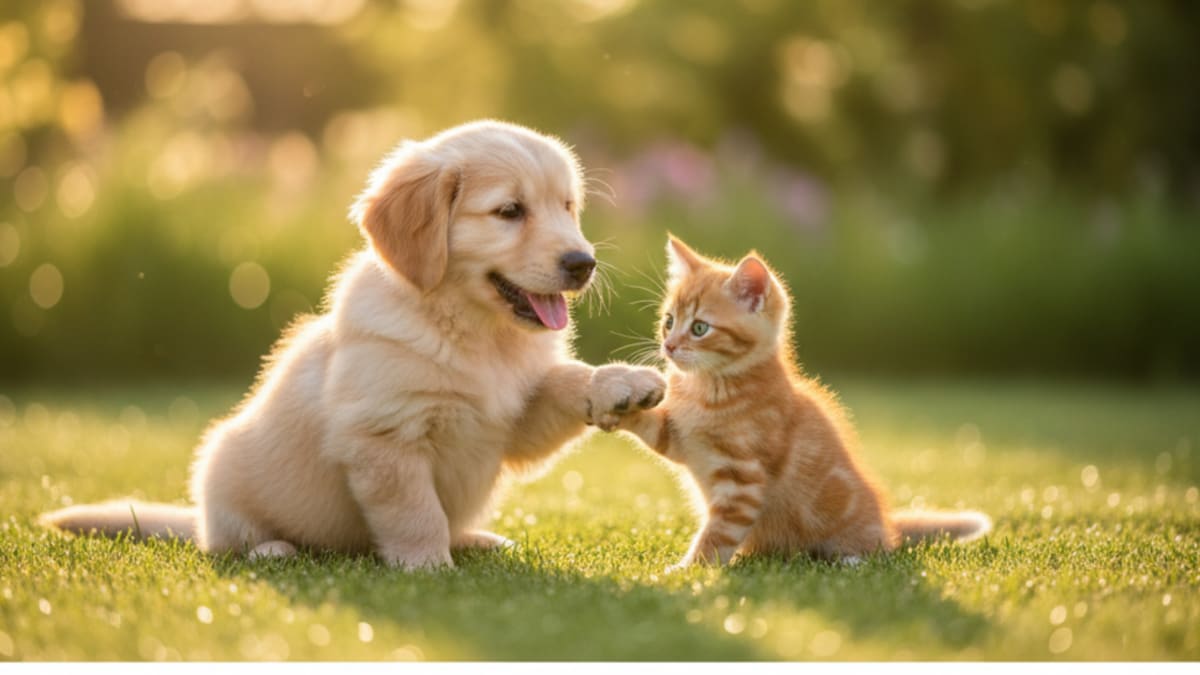
People treat naming like the fun, inconsequential part of getting a new pet — pick something cute, move on to house training. But the name you land on affects how fast your dog learns to respond to it (which is itself a foundational training cue), how comfortable you feel yelling it across a crowded dog park, and how many times a vet tech asks "sorry, what was that again?" at every single appointment. You'll say this name thousands of times over the next decade-plus. It's worth more than five minutes of thought.
Trainers generally point to a few practical rules, separate from personal taste:
| Category | Examples |
|---|---|
| Classic | Max, Bella, Charlie, Daisy, Buddy, Lucy |
| Food-Inspired | Biscuit, Mochi, Pepper, Waffles, Olive, Peanut |
| Nature | River, Willow, Sage, Storm, Birch, Luna |
| Pop Culture | Loki, Arya, Groot, Nova, Kylo, Padfoot |
| Strong & Short | Zeus, Rex, Blitz, Duke, Ace, Fang |
| Color/Coat-Based | Ash, Rusty, Ginger, Onyx, Snow, Copper |
| Vintage/Human Names | Walter, Gladys, Frank, Mabel, Otis, Winnie |
Cat names tend to skew a little different — more independent, sometimes more literary or aloof (think Whiskers, Salem, Nala) — but the one-to-two-syllable rule for fast recognition still applies just as much.
A lot of the best names come from actually watching your dog or cat for a day or two before deciding, rather than picking something before they even come home. A scrappy, food-obsessed puppy who steals socks might earn "Bandit" or "Nugget" more honestly than a name chosen off a generic top-10 list. Coat color and markings are also a reliable well to draw from — a black cat named "Onyx," a dog with one blue eye named "Storm" — because it gives the name a built-in story you'll actually enjoy retelling.
Breed can factor in too, less as a rule and more as flavor: German Shepherds and working breeds often end up with strong, short names (Rex, Kane), while smaller companion breeds tend toward softer or more playful ones (Biscuit, Pixel). None of this is mandatory — plenty of Chihuahuas named Zeus and Great Danes named Tiny are living their best lives. Once you've settled on a name, our Pet Horoscope is a fun way to keep exploring their personality — a lighthearted read on quirks and traits based on their birthday or zodiac sign. Speaking of which, if you want to track their exact age in months and weeks rather than just counting birthdays on a calendar, our birthday calculator does that instantly.
Name generators are genuinely useful when you're stuck, but the good ones let you filter by traits — breed, size, coat color, personality, even sound (soft vs. punchy) — instead of just spitting out a random list. Run a few different filters and see which names keep showing up. If "Winston" or "Piper" appears three different ways, that's usually a sign it's a name you actually like, not just an option you tolerated on the first pass.
Try the Dog & Cat Name Generator to get a filtered shortlist based on your pet's actual traits rather than starting from a blank page and a blinking cursor.
Rescues and shelters sometimes give dogs placeholder names, and older dogs may already answer to something from a previous home. Most trainers say it's completely fine to rename an adult dog — it usually takes just a few days of consistent use paired with treats and praise for a new name to stick, especially if the old name wasn't tied to anything traumatic. If a dog seems to flinch or shut down at the sound of their current name, a fresh one is often the kinder call anyway, and dogs adapt faster to this than most new owners expect.
If you're registering a purebred puppy, the AKC allows a longer, more elaborate "registered name" (think "Ironwood's Midnight Rebellion") separate from the shorter "call name" you'll actually use day to day ("Rebel"). The registered name shows up on paperwork and in the show ring; the call name is what gets yelled at the dog park and used in everyday life. You need both if you're going the registration route, and they genuinely don't have to relate to each other at all — plenty of dogs have a call name that shares zero letters with the registered version.
There's no wrong answer here as long as your dog or cat responds to it, but a short, clear name will make the early training weeks noticeably easier on both of you. Run a few options through the generator, say them out loud in your yelling-across-the-yard voice, and go with whichever one you don't get tired of saying by week two.
Classic, short human names like Bella, Max, Charlie, and Luna have topped shelter and vet clinic name lists for several years running, alongside food-inspired names like Cooper and Mochi. Popularity shifts year to year, so browsing current name generator results is a better gauge than any single list.
Most puppies start responding to a name within 1-3 days of short, positive-reinforcement sessions (say the name, reward eye contact or approach). Full reliability under distractions like other dogs or new environments usually takes a few more weeks of consistent practice.
Yes, it's generally fine, even for adult dogs. Most dogs adjust to a new name within a few days when it's paired consistently with treats and praise, and there's no evidence it causes lasting confusion or distress.
Not in the way humans understand identity. A dog's name functions as a learned sound cue that means 'pay attention, something good might happen,' built through repetition and reward rather than genuine self-recognition.
Avoid names that rhyme with common commands (Kit/sit, Bo/no), names longer than two syllables, and names too similar to another pet or family member's name in the household. All three can slow down how quickly your dog learns to respond reliably.
Yes, though cats can take a bit longer than dogs to adjust. Consistent use paired with treats or feeding time usually gets a cat responding to a new name within one to two weeks.
The registered name is the longer, formal name used on official AKC paperwork and in the show ring, while the call name is the short everyday name you actually use at home. They don't need to be related, and most owners choose the call name based on what feels natural to say, not what's on the papers.
They help most when you filter by real traits like breed, size, or personality rather than generating a fully random list. Filtered results tend to surface names you'll actually like faster than scrolling an unfiltered top-100 list.
Prepare a separate room, swap scent, introduce through a barrier and learn when to slow down if either cat shows tension.
2 min readCreate an indoor setup your cat can explore, with safe hiding spots, scratching surfaces, supervised play and options for smaller homes.
3 min readTry a calm, dog-led walk with safe sniffing stops. Choose a route, use a comfortable pace and adapt the outing for your dog.
3 min read
