 PetCalcStudio

How to Feed Dogs and Cats Separately in a Shared Home
Set up separate feeding stations, measure each pet’s meals and monitor what they actually eat with a simple household routine.
3 min readCare guide
Feeding your dog might seem simple, but it is one of the most misunderstood parts of pet care. Many dog owners either overfeed or underfeed without realizing it, which can lead to obesity, malnutrition, and serious health issues over time.
Educational information. Our editorial policy
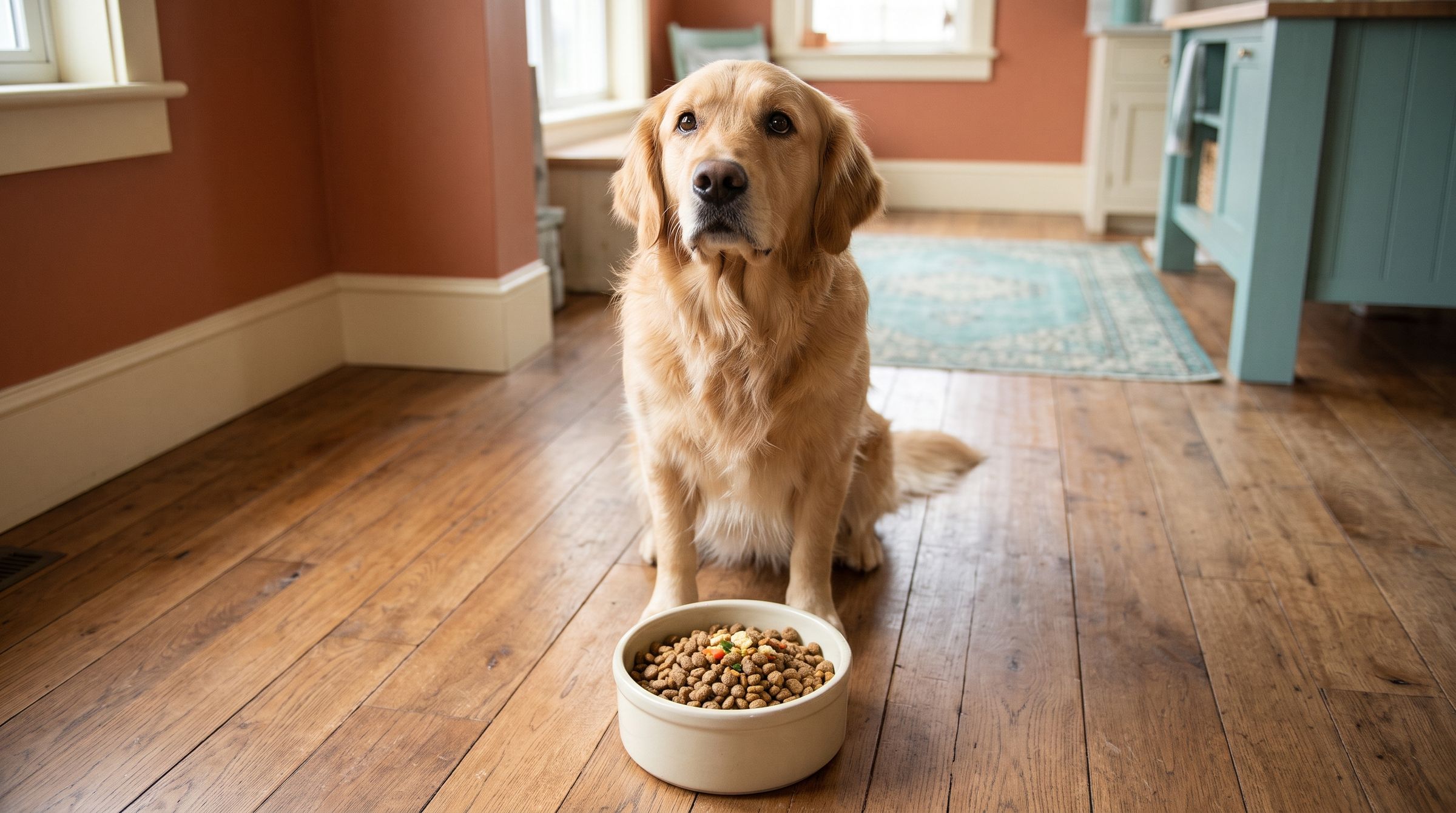
Feeding your dog might seem simple, but it is one of the most misunderstood parts of pet care. Many dog owners either overfeed or underfeed without realizing it, which can lead to obesity, malnutrition, and serious health issues over time.
If you have ever wondered how much food your dog really needs, you are not alone. This is one of the most searched questions online and widely discussed in pet communities.
This guide will help you understand exactly how much to feed your dog based on weight, age, and activity level.
The amount you feed your dog directly affects overall health. Proper nutrition helps maintain:
Many studies show that a large percentage of dogs are overweight, mainly due to incorrect portion sizes.
There is no single answer because every dog is different. However, feeding depends on three main factors:
Weight. Your dog's weight is the starting point for calculating food intake.
Age. Puppies need more calories for growth, adult dogs need balanced maintenance, and senior dogs usually require fewer calories.
Activity level. Active dogs burn more calories and need more food, while less active dogs need smaller portions.
| Dog Weight | Daily Calories | Cups of Dry Food (Approx) |
|---|---|---|
| 5 kg | 200–300 kcal | ½ – 1 cup |
| 10 kg | 400–500 kcal | 1 – 1.5 cups |
| 20 kg | 700–900 kcal | 2 – 3 cups |
| 30 kg | 900–1,200 kcal | 3 – 4 cups |
| 40+ kg | 1,200+ kcal | 4+ cups |
This is only a general guide and may vary depending on the dog.
Instead of guessing, it is better to use a calculator for accurate results. The Dog Food Calculator works out food requirements based on:
This helps you get a more precise feeding recommendation.
If you want that recommendation narrowed down further, the Dog Food Calculator by Weight & Age lets you enter your dog's exact weight and age bracket to get a single tailored portion instead of a broader range.
Puppies should be fed more frequently because they are growing:
Adult dogs should generally be fed twice a day. Senior dogs may need one or two meals depending on their health. Consistency in feeding time is very important.
Overfeeding is a common issue. Look for these signs:
Many owners mistake begging for hunger, but it is often just behavior. If you're not sure which category your dog actually falls into, the Is My Dog Overweight? Calculator walks through the same body-condition checks a vet would use.
Underfeeding can cause serious health issues. Watch for:
Different food types affect how much you should feed.
Dry food. Easy to measure, affordable, and commonly used.
Wet food. Contains more moisture and is usually more appealing to dogs.
Raw diet. High in protein but requires careful planning.
Many dog owners make simple mistakes such as:
Different dog foods have different calorie levels. One cup of one brand may not be equal to another. Always check the calorie information on the packaging.
Feeding your dog correctly is one of the most important parts of responsible pet ownership. Instead of guessing, rely on accurate data and monitor your dog regularly.
General guidance on this topic from veterinary organizations. This guide is educational and written by a non-veterinarian; check with your own vet before changing your pet's food, medication or care. Editorial policy
You should check your dog’s weight, energy levels, and body shape. A healthy dog should have a visible waist and stay active.
It is generally better to feed adult dogs twice a day for better digestion and energy balance.
These are general guidelines and should be adjusted based on your dog’s specific needs.
Only when necessary, and changes should be made gradually over several days.
It can be, but only if it is properly balanced with the right nutrients.
This may be due to habits, boredom, or incorrect portion sizes rather than actual hunger.
Yes, obesity can lead to serious health problems and shorten a dog’s life.
Set up separate feeding stations, measure each pet’s meals and monitor what they actually eat with a simple household routine.
3 min readSet up safe storage for dry pet food and opened wet food. Keep lot codes handy and learn what to do with leftovers and damaged packaging.
3 min readConvert cups to grams using your food’s own label. See worked examples, avoid scoop errors, and measure an existing feeding plan more consistently.
3 min read
