 PetCalcStudio

How to Introduce Two Cats at Their Own Pace
Prepare a separate room, swap scent, introduce through a barrier and learn when to slow down if either cat shows tension.
2 min readCare guide
Traveling with pets can be a rewarding experience, but it also requires careful planning and budgeting. Many pet owners underestimate the total cost and preparation needed when traveling with a dog or cat.
Educational information. Our editorial policy
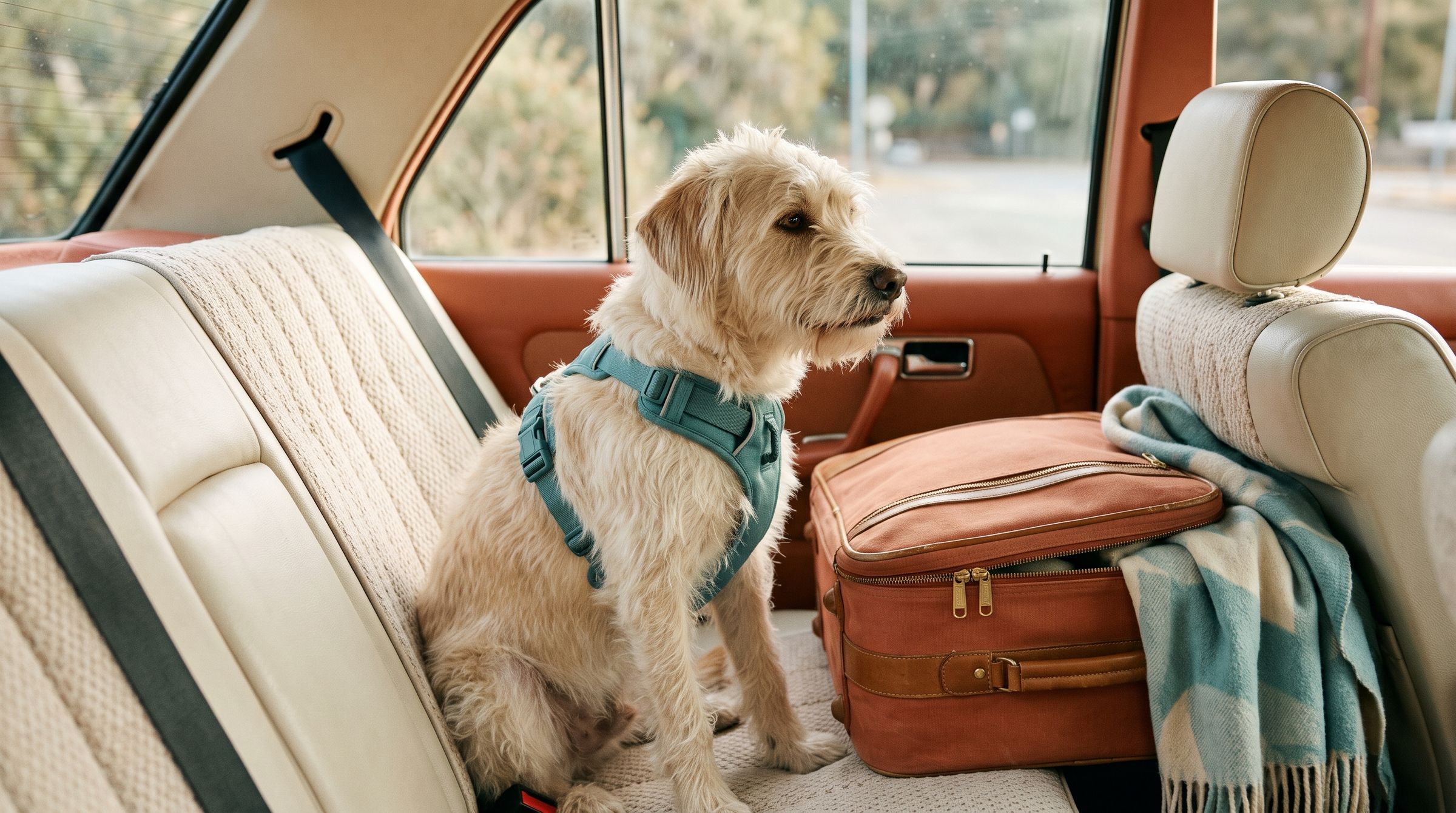
The number most owners underestimate isn't the airline fee or the hotel deposit. It's the cumulative total once every cost is added - vet certificate, airline fee, pet-friendly accommodation premium, pet-sitting backup for the days you can't bring the animal, food and medication logistics, and the time it takes to manage all of it.
Traveling with a pet is genuinely doable, and often worth it. But going in without a realistic cost picture leads to surprises that could have been planned for. This guide covers what those costs actually look like and the planning steps that prevent the common failures.
This sounds obvious but most owners skip it. For every trip, the right answer isn't automatically "bring the pet." The question is which option causes the least stress for the animal.
Dogs that have separation anxiety, dogs that travel badly, very old animals, and animals on complex medication schedules are often better served by staying home with a trusted sitter or boarding facility than being brought along on a trip that stresses them. Conversely, dogs that travel well and owners going on extended trips often do better with the pet along.
The variables:
Driving with a pet is the most cost-accessible form of pet travel and doesn't require airline fees, health certificates for domestic trips, or breed restrictions. It also gives you control over stops, temperature, and the animal's comfort.
What it actually costs:
The incremental cost of bringing a dog on a road trip is low - primarily food, a few extra supplies, and any pet fees at accommodation. Most pet-friendly hotels charge $25-75 per night as a pet fee, though some charge per night and others a flat stay fee. Always confirm before booking; "pet-friendly" doesn't always mean "no fee."
What you need:
Accommodation:
Use BringFido, Petswelcome, or filter Airbnb/VRBO by pet-friendly specifically. Note that "pet-friendly" policies vary widely - some have size or breed restrictions, some charge per night, some per stay. Read the specific property's policy, not just the platform's filter.
Flying domestically with a pet involves fees and logistics that most first-time travelling owners underestimate.
In-cabin (small pets only):
Most major US airlines allow small dogs and cats in-cabin in an approved carrier, provided the carrier fits under the seat in front of you and the animal fits comfortably inside. Fees range from $100-150 each way per carrier on most major US airlines. That's on top of your own ticket, every leg.
Carrier dimensions vary by airline. Check your specific carrier dimensions against your specific airline's requirements - not the general guideline. The carrier must fit under the seat, not just in the overhead bin.
Cargo hold:
Larger dogs must travel as cargo - checked baggage on some airlines, air cargo on others. Fees range from $100-250+ each way depending on size and airline. More importantly: cargo travel carries real risks, particularly for brachycephalic breeds (French Bulldogs, Pugs, Boxers, Bulldogs, Persian cats, etc.). Several major airlines have banned brachycephalic breeds from cargo travel entirely due to respiratory incidents. Some have banned them from in-cabin as well.
If your dog is brachycephalic, research your airline's specific breed restrictions before booking anything.
What airline travel actually costs - a realistic total:
A domestic round-trip with a small dog in-cabin on a medium-cost airline:
Total: $290-570, plus your own ticket, for a domestic trip. Budget accordingly.
International pet travel adds layers that domestic travel doesn't have: import regulations, health certificate requirements, potential quarantine periods, and documentation that has hard deadlines.
The documentation problem:
Every country has its own import requirements for animals. Some require a microchip (specific ISO standard), specific vaccinations, a USDA-endorsed health certificate issued within a narrow time window before travel (often 10 days), and sometimes parasite treatments administered within a specific timeframe.
Getting this wrong - a certificate issued a day outside the valid window, a vaccination given too recently to count, a microchip that predates the vaccination - means the animal is denied entry or placed in quarantine at your expense.
The steps:
Cost range for international travel:
For popular destinations with simple requirements (Canada, most of Europe from the US with a compliant microchip and health certificate), the total is manageable. For destinations with quarantine requirements (Australia, New Zealand, Hawaii, UK from certain countries), the cost and complexity increase dramatically.
Quarantine:
Some destinations require mandatory quarantine on arrival - days to weeks at a government facility at the owner's expense. Australia requires a minimum 10-day quarantine for most dogs; costs run $2,000-3,000+ AUD. This isn't negotiable. If your destination has quarantine requirements, factor that cost into whether bringing the pet makes sense.
"Pet-friendly" is a broad term. What it means in practice varies significantly.
At minimum, ask:
Hotels vs. vacation rentals:
Vacation rentals (Airbnb, VRBO) are generally more flexible for pets than hotels - more space, private outdoor access, kitchen for food preparation. Pet fees are common but negotiable on direct bookings. Read reviews specifically for whether the host is actually dog-friendly in practice, not just on paper.
Hotel chains with consistently good pet policies include Kimpton (no pet fees, no size restrictions), La Quinta (generally no pet fees for dogs), and select IHG and Marriott properties. Individual property policies override chain policy - always confirm directly.
For trips where bringing the pet isn't the right call, professional pet sitting or boarding is the alternative - and it has real costs that should be in any travel budget.
In-home pet sitter (comes to your house): $20-80 per day depending on location, number of visits, and services included. Includes overnight stays at higher rates ($60-150/night in most urban markets). Platforms like Rover and Wag connect owners to vetted sitters with reviews.
Boarding kennel: $30-75 per day for standard kennel boarding. Luxury boarding with individual rooms, play groups, and webcam access runs $60-120+ per day. Inspect the facility before committing - photos and reviews don't substitute for seeing the actual space and staff.
What to tell your sitter or boarding facility:
Travel anxiety:
Some dogs and cats experience significant travel stress. Gabapentin is commonly prescribed by vets for cats in particular for travel anxiety - it requires a vet consultation and is given the night before and morning of travel. For dogs, options range from calming supplements (variable efficacy) to prescription anti-anxiety medications. Never administer human anxiety medications - xylazine and acepromazine in particular are dangerous for pets.
Don't sedate a pet that is travelling in cargo. Sedation combined with altitude changes is dangerous. If your pet needs sedation to tolerate cargo, that's a sign cargo travel isn't appropriate for that animal.
Health certificates have tight windows:
USDA-endorsed health certificates for international travel are typically valid for 10 days from the date of the vet examination. This means scheduling the vet visit as close to travel as possible - but leaving enough time for the USDA endorsement process (same-day to 48 hours depending on whether you use an accredited vet and how you submit).
| Travel type | Approximate additional cost per trip |
|---|---|
| Domestic road trip | $75-200 (accommodation fees, supplies) |
| Domestic flight, small dog in-cabin | $290-570 (fees + health cert + carrier) |
| Domestic flight, large dog cargo | $400-800+ |
| International flight, simple destination | $500-1,200+ |
| International flight, quarantine destination | $2,000-5,000+ |
| Professional pet sitter (per week) | $140-560 |
| Boarding kennel (per week) | $210-525 |
These are ranges, not quotes. Actual costs depend on your location, airline, destination, and pet size. Use the PetCalcStudio Pet Travel Estimator to get a more specific cost estimate for your trip.
My dog has never flown before. Should I try a short flight first? Yes, if the timeline allows. A 2-hour domestic flight is a much better first flight than a 12-hour international one. Watch how the dog behaves in the carrier at home first - extended time in a carrier is a learned tolerance, not automatic.
Can I take my cat on a plane in-cabin? Yes, on most airlines, under the same rules as small dogs - carrier under the seat, fee per direction, size restrictions. Cats generally tolerate the carrier better than dogs once it's enclosed, but the airport noise and handling stress can be significant. Discuss gabapentin with your vet before the first flight.
My pet is too large for cabin. Is cargo safe? Cargo is statistically safe for most healthy, non-brachycephalic adult pets in appropriate weather conditions. The risks are higher in extreme temperatures (summer and winter), which is why most airlines impose temperature embargoes. Travel during shoulder seasons if possible. Book direct flights to minimise handling time.
What's the best way to find a trustworthy pet sitter? Rover and Wag provide vetted sitters with reviews and background checks. Personal referrals from other pet owners in your area are often the best source. Interview any sitter before committing - ask about their experience with your specific breed, what they do in a medical emergency, and whether they'll send daily updates. A sitter who won't answer these questions confidently isn't the right sitter.
Use the Pet Travel Estimator to calculate costs for your specific trip type and destination, and the Adoption Cost Calculator for first-year ownership budgeting.
Airline pet fees, carrier rules and cargo options are covered in our guide to pet transport costs. If you would rather leave your pet at home, compare it with how much pet sitters cost in 2026.
Related: Dog boarding cost per night in 2026 and Pet care costs in 2026: what dogs and cats really cost.
Costs can range from $20 for local trips to $3000+ for international travel.
Yes, small pets can travel in cabins depending on airline rules.
Yes, they often charge additional fees.
Health certificates, vaccinations, and sometimes permits.
Car travel is usually less stressful and more affordable.
No, policies vary by airline.
Plan early, compare options, and use cost estimators.
Prepare a separate room, swap scent, introduce through a barrier and learn when to slow down if either cat shows tension.
2 min readCreate an indoor setup your cat can explore, with safe hiding spots, scratching surfaces, supervised play and options for smaller homes.
3 min readTry a calm, dog-led walk with safe sniffing stops. Choose a route, use a comfortable pace and adapt the outing for your dog.
3 min read
