 PetCalcStudio

How to Introduce Two Cats at Their Own Pace
Prepare a separate room, swap scent, introduce through a barrier and learn when to slow down if either cat shows tension.
2 min readCare guide
A dog walker typically charges about $15 to $30 for a 30-minute walk and $25 to $50 for an hour. Group walks cost less, and add-ons raise the price. Here is how rates work and how to compare.
Educational information. Our editorial policy
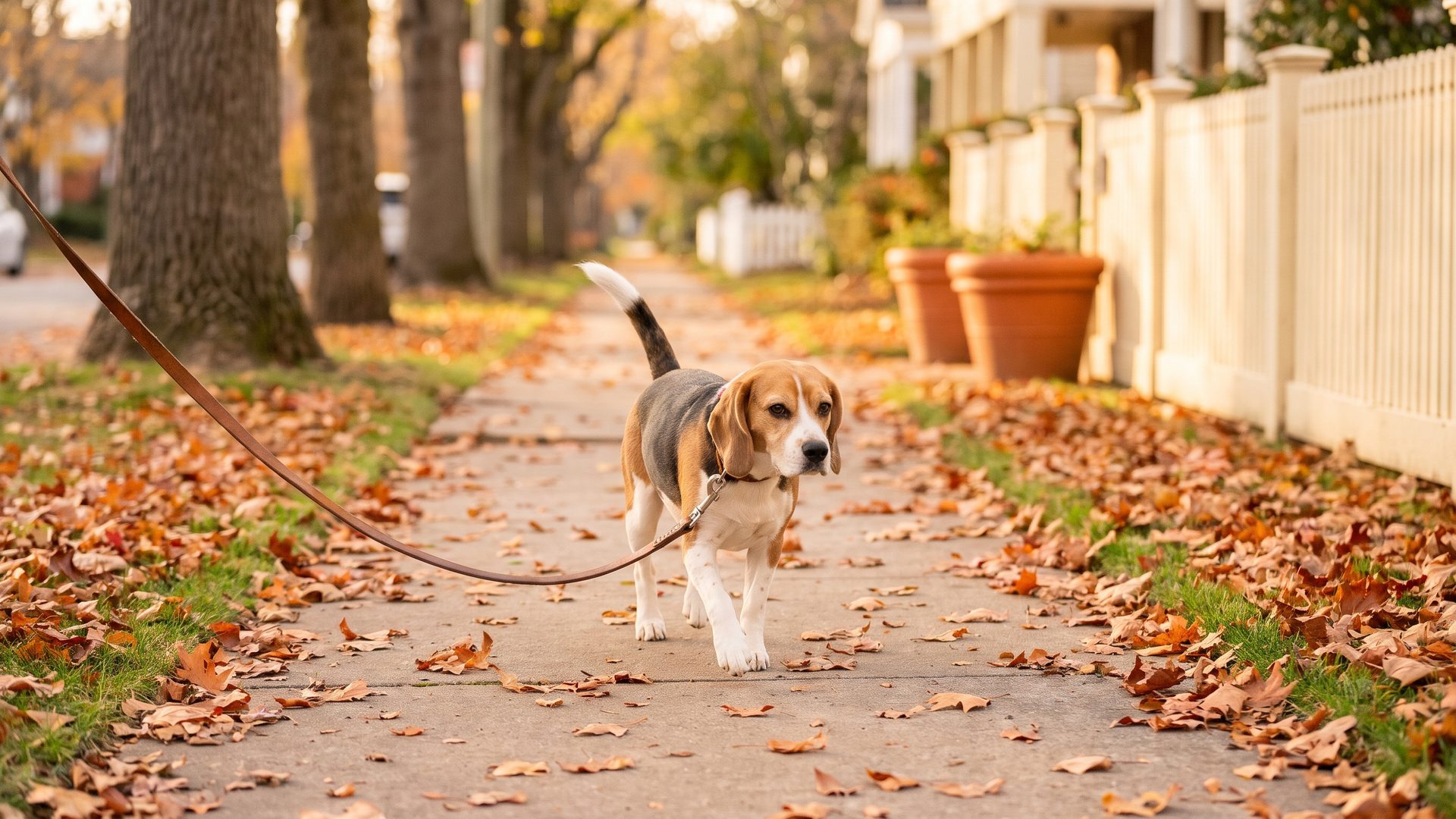
A dog walker in the US typically charges about $15 to $30 for a 30-minute walk and about $25 to $50 for an hour, with group walks usually cheaper and big cities higher. Add-ons such as extra dogs, holidays or last-minute bookings raise the price. These are ballpark ranges, not quotes, and your local rates may differ.
| Service | Typical US range |
|---|---|
| 15-minute potty visit | About $12 to $20 |
| 30-minute solo walk | About $15 to $30 |
| 60-minute solo walk | About $25 to $50 |
| Group walk (per dog) | About $12 to $25 |
| Additional dog, same household | Often $5 to $10 extra |
| Holiday surcharge | Often 1.5 times the normal rate, or a flat fee |
| Monthly cost, one 30-minute walk on weekdays | Roughly $300 to $600 |
| Pet drop-in visit | About $15 to $30 |
Ranges are typical US estimates and vary widely by region and provider.
Ask for a written fee list before the first walk.
A rough monthly cost for one 30-minute weekday walk at $20 is about $400, since there are around 20 weekdays in a month. At $15 it is about $300, and at $30 it is about $600. Twice-daily walks double that. Compare this with other options, such as doggy daycare, and use our pet sitter rate calculator to estimate your own scenario. For a broader view of pet care budgets, see pet care costs in 2026.
A walker is only part of the picture. Many adult dogs need 30 to 90 minutes of exercise daily, depending on breed, age and health. Our dog walking distance guide by breed and age explains how much walking is right for your dog, so you can decide whether one walk is enough.
A professional walker should arrive on time, use your dog's leash and harness correctly, give water, clean up after your dog and leave a short note or photo afterward. Ask where they walk, whether dogs are ever off leash, and how they handle weather, other dogs and a dog that pulls or slips a collar. For reactive or fearful dogs, a solo walk with an experienced walker is usually safer than a group.
Many problems come down to communication. Share your dog's feeding rules, allergies, triggers, medications and your vet's number. Agree on a plan for emergencies and what happens if you cannot be reached. Written terms, such as cancellation rules and holiday rates, protect both sides.
If a daily walker is too expensive, consider alternatives. A neighbor or friend might cover a few days a week. A midday visit from a teen or retiree may cost less than a professional service, though experience and insurance vary. Puzzle feeders and snuffle mats can keep a dog busy between walks, and a longer morning walk can reduce restlessness. If your dog cannot cope with long hours alone, daycare or a sitter may be a better fit than skipping care.
Swap experiences with other owners on the PawTalk advice forum.
This guide is general education from the PetCalcStudio team, not veterinary or financial advice. Cost ranges are typical US ballparks for 2026 and vary by region, clinic and provider, so confirm with local quotes. Sources: published dog-walking marketplace and service pricing ranges.
In the US, typically about $15 to $30 for a 30-minute walk and $25 to $50 for an hour. Group walks are usually cheaper.
One 30-minute weekday walk costs roughly $300 to $600 a month at typical rates. Twice-daily walks cost about double.
Usually yes, often about $12 to $25 per dog, but it suits social dogs only.
Many charge about $5 to $10 for each additional dog from the same household.
Tipping is common but optional, and customs vary. Many owners tip at holidays.
It depends. Walkers offer one-on-one exercise at home, while daycare provides all-day supervised play.
Prepare a separate room, swap scent, introduce through a barrier and learn when to slow down if either cat shows tension.
2 min readCreate an indoor setup your cat can explore, with safe hiding spots, scratching surfaces, supervised play and options for smaller homes.
3 min readTry a calm, dog-led walk with safe sniffing stops. Choose a route, use a comfortable pace and adapt the outing for your dog.
3 min read
